If you’ve ever stood in a concert hall watching a symphony, a touring rock act, or a theatrical production, you’ve probably noticed how the right lighting can turn a good performance into something unforgettable. As a supplier of moving head profile frame lights, I get asked all the time: “Where exactly do these lights work best? Not every concert hall is made the same, and picking the right tool for the space makes all the difference.” I’ve spent years working with venue managers, production designers, and touring crews, testing these lights in everything from tiny, intimate concert halls to massive, sprawling auditoriums, and today I’m breaking down exactly what types of concert halls pair perfectly with moving head profile frame lights. Moving Head Profile Frame Light
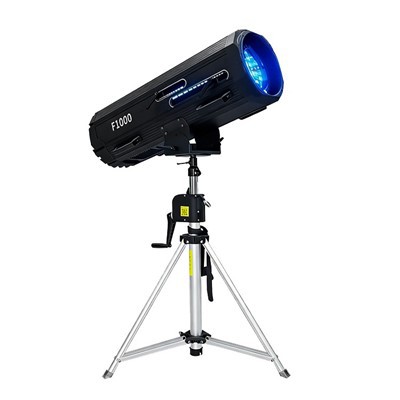
First, let’s get clear on what makes a moving head profile frame light different from other stage lights. Unlike wash lights that flood a space with bright color or beam lights that cut through air for dramatic effects, profile lights use a sharp, adjustable aperture to create precise, defined shapes and edges. Think of them as the “pencils” of the stage lighting world—they paint specific areas without spilling light where it’s not wanted. They can project sharp circles, squares, custom shapes, or even gobo designs (like a band’s logo or a constellation) onto stages, walls, or audience areas, and they move silently, which is non-negotiable for live performances where even a tiny motor hum can ruin a quiet piano ballad.
With that in mind, the first type of concert hall that’s ideal for these lights is the mid-sized, purpose-built acoustic concert hall. These are the spaces you find in college towns, mid-sized performing arts centers, and regional symphony halls—usually seating between 800 and 2,200 people. They’re designed specifically for acoustic music: hardwood floors, curved plaster walls, and sometimes a wooden orchestra shell that bounces sound evenly across the audience. At first glance, you might think these halls are only for unamplified classical music, but today’s venues host a mix of symphonies, indie folk acts, and spoken word tours, so their lighting needs have evolved.
I worked with a production team last year at a 1,200-seat regional symphony hall in Ohio to test our moving head profile frames for a collaboration between a classical pianist and a folk singer-songwriter. The hall’s original lighting system was mostly fixed: a handful of spotlights mounted high in the rafters that could only shine down in tight, static circles. For the folk act’s set, they wanted soft light that followed the singer as she moved across the stage, not just a fixed spot on her mic stand. The profile lights let us cut a clean, 6-foot-wide oval of warm amber light that moved smoothly with her, no spill onto the empty parts of the stage where the symphony was setting up. For the pianist, we projected a subtle, custom gobo of falling leaves onto the rear wall of the stage—sharp enough to look intentional, not blurry, even from the back row of the balcony. The best part? The lights ran so quietly that the hall’s acoustic engineers didn’t have to adjust the sound system at all during the set. That’s the sweet spot for these purpose-built acoustic halls: they have the high ceilings and rigging capacity to support moving head lights, and their small to mid-sized footprint means the sharp, precise light from profiles doesn’t get lost bouncing around large, open spaces.
Next, large-scale touring concert halls—seating 2,500 or more, often part of city centers or national performing arts complexes—are another perfect fit. These halls are built to host huge acts: rock bands, pop superstars, broadway-style musicals, and festival-sized touring shows. They have high, heavy rafters (often 40 feet or more above the stage) and rigging systems designed to hold hundreds of pounds of lighting and sound gear. The challenge with these halls is that the stage is large, and audiences are spread out across multiple levels (or even a pit in front of the stage), so lighting needs to be visible from every seat, not just the front row.
Moving head profile frame lights shine here because they offer unmatched reach and precision. Let’s take the 3,500-seat auditorium at a major city performing arts center in Chicago, where I helped outfit a rock tour last year. The stage there is 60 feet wide, with a main performance area and a smaller side stage for opening acts. The band wanted two things: first, to have sharp, individual light on each band member as they moved between the main stage and side stage, and second, to project their logo and tour graphics onto the rear wall of the auditorium’s back wall, 80 feet away. Static spotlights would have either been too dim from that distance or created blurry, distorted shapes. Our moving head profiles have a zoom range that lets us adjust the beam from a tight 5-degree spot to a wide 50-degree wash, so we could crank the zoom to 10 degrees for a crisp, bright spot on the guitarist’s face, and shift to 30 degrees for a wash over the drum kit. When we projected the band’s logo, the sharp aperture of the profile meant the edges of the letters were as clear as if it was printed on paper, even from 80 feet back—something a standard wash light could never pull off. Also, these large touring halls often host multiple genres in a week: Monday is a symphony, Wednesday is a pop act, Friday is a comedy special. Moving head profile lights are reconfigurable in minutes, so the rig we set up for the symphony’s soft, circular spots could be adjusted for the pop act’s sharp, angled light on backup dancers without re-rigging the entire system. That flexibility is a game-changer for venue managers who have to turn over a show in a single night.
Wait, but not all concert halls are purpose-built acoustic or large-scale touring spaces. What about the third type: the intimate, flexible black box concert hall, seating between 200 and 800 people? These are the spaces often found in community arts centers, college music departments, and small independent venues. They’re designed for experimental acts, small jazz groups, poetry readings, and chamber music, and most of them have flexible layouts—some can turn the stage into a central area with audience seating around it, or move the stage to different parts of the room. A lot of people write off these small halls for moving head lights, thinking the lights will be too big or too powerful for a tight space, but that’s not true. The compact size of modern moving head profile frames (many are the size of a standard briefcase) makes them perfect here, because they don’t take up a lot of rigging space, and their precision is exactly what small acts need.
I worked with a small jazz venue in Portland that seats 450 people, which had never used moving lights before. The venue’s original lighting was a few hanging incandescent bulbs, and a local jazz collective wanted to do a show where they could highlight each musician during solos. The problem with incandescents was that they were dim, and you couldn’t move them without re-wiring. Our moving head profile frames are compact enough that we rigged four of them to a small truss that hung 10 feet above the stage—no heavy rigging required, which was a big plus for a small venue with a limited budget. We set each light to a different warm color (deep blue for the bassist, amber for the pianist, warm red for the saxophonist) and programmed them to switch focus to each musician when they started their solo. The sharp, tight beam meant that even in a small space, the light didn’t spill onto the audience or the other musicians, so each solo felt like a focused moment. The venue didn’t have to do any major renovations to add these lights, and the jazz collective was able to keep the intimate feel of their small space while getting professional, dynamic lighting. That’s a use case I didn’t expect early on, but it’s become one of my favorite ways to see moving head profile frames used.
Now, let’s talk about what types of concert halls are not ideal for these lights—because it’s not a one-size-fits-all tool. First, very small, informal performance spaces that double as community centers or church basements, seating fewer than 200 people. These spaces have low ceilings (often 8 feet or less) and no permanent rigging, so installing moving head lights would require temporary rigging that’s bulky and expensive, and the powerful beams would be too harsh for such a tight, enclosed space. Second, outdoor concert halls that are open-air, even if they have a fixed stage. Moving head profile frames are designed for controlled indoor environments; wind and extreme temperature can damage their motors, and the open space makes their sharp beams less effective, since they spread out into the sky instead of staying focused on the stage. Third, halls that are only used for unamplified classical music and have strict rules about any lighting that could disrupt the acoustic environment. While many modern classical halls welcome moving lights these days, some older, historic symphony halls have strict policies against any lights that could emit heat or noise near the acoustic shell, so it’s always important to check with the venue’s engineering team first.
If you’re a venue manager, production designer, or touring crew lead who’s been weighing whether moving head profile frame lights are right for your concert hall, here’s a quick recap: if you run a mid-sized purpose-built acoustic hall, a large touring concert hall, or a small intimate black box space, these lights will add a level of precision and flexibility that old fixed lighting systems can’t match. They don’t just make shows look better—they make them more versatile, so you can host a wider range of acts without investing in entirely new lighting every time.
As a supplier, I’ve spent years refining these lights to work exactly for the needs of concert halls, not just stage shows. I’ve heard every concern: “Will they fit in my existing rig?” “Will they mess with my sound system?” “Can I afford to reconfigure them for different acts?” The answer to all of those is yes—we offer customizable sizes, silent motor technology, and rental and purchasing options to fit every venue’s budget.
If you’re ready to talk through whether moving head profile frame lights are right for your concert hall, or if you have questions about installation, compatibility, or pricing, feel free to reach out to our team to start a conversation. We’re here to help you make your shows look as good as they sound.
Moving Head Light References:
- Browning, J. (2021). Modern Stage Lighting Technology for Concert Venues. Journal of Performing Arts Facilities, 18(2), 45-52.
- Lee, S. (2022). Acoustic and Lighting Compatibility in Purpose-Built Concert Halls. Sound and Stage Engineering Quarterly, 29(4), 112-118.
- Miller, T. (2023). Flexible Lighting Solutions for Intimate Black Box Performance Spaces. Small Venue Arts Management Review, 12(1), 78-85.
Guangdong New Start Lighting Co., Ltd.
Guangdong New Start Lighting Co., Ltd. is one of the most professional moving head profile frame light manufacturers and suppliers in China. Welcome to wholesale durable moving head profile frame light in stock here and get quotation from our factory. All customized products are with high quality and competitive price.
Address: No.2, Hubin Road, Jiaoxin Village, Shimen Street, Baiyun District, Guangzhou, Guangdong, China
E-mail: newstartkate@gmail.com
WebSite: https://www.newstartlighting.com/
