What’s good, team? If you’ve ever shopped for metal parts—whether you’re building a custom patio set, sourcing materials for a food processing line, or just fixing up your garage—you’ve probably stared at two main contenders: stainless steel and aluminum. I’m not gonna sit here and act like I don’t get the confusion. I’ve been a stainless steel supplier for 12 years, and I lose count of how many times a customer walks in (or slides into my DMs) asking, “Which one’s actually better for my project?” Spoiler: It’s not a one-size-fits-all answer. It all boils down to their properties, and I’m gonna break this down like I would for a buddy working on his first custom trailer—no stuffy engineering jargon, just real talk. Stainless Steel

Let’s start with the basics, shall we? Stainless steel is basically steel that’s got at least 10.5% chromium added to it. That chromium is the star of the show for its biggest superpower: rust resistance. Aluminum, on the other hand, is a pure metal (well, mostly—most commercial aluminum has small alloying elements like copper or magnesium, but nowhere near the chromium in stainless). When aluminum is exposed to air, it instantly forms a thin, invisible oxide layer that sticks right to its surface. Wait, hold on—before you go “so aluminum doesn’t rust either,” let’s clarify: rust is iron oxide, only steel and its alloys can rust. Aluminum corrodes, which is a different process, but that oxide layer’s key differences from stainless steel’s protection are where things get interesting.
Let’s talk strength first, because that’s make-or-break for so many jobs. Stainless steel is way stronger than aluminum, full stop. I’ve had customers test this literally—we’ve sent samples of 304 stainless and 6061 aluminum to job sites, and the stainless bends way less under the same load. Why? Stainless is mostly iron, which has a super tight atomic structure that holds up well under pressure. Aluminum has a much looser atomic grid, so it’s lighter but way more prone to bending or deforming when you put weight on it. For example: if you’re making a heavy-duty truck bed, or a structural bracket that’s gonna hold 500+ lbs, stainless is the move. It won’t sag after a few months of use, no matter how rough you get with it. Aluminum works great for things like window frames or lightweight bicycle parts, but if you’re throwing 1000 lbs of tools in that truck bed, aluminum’s gonna take a hit.
Next up: corrosion resistance, and this is where people mix up aluminum and stainless all the time. Let’s get this straight. Aluminum’s oxide layer is great… until it gets scratched or exposed to certain chemicals. Like, if you’re running aluminum through a place with high salt (think near the ocean, or a road that gets salted in winter) or acidic stuff (like pickling brine, or even some citrus juices), that thin oxide layer can break down, and aluminum starts corroding in bigger, flaky patches. Now, stainless steel’s chromium layer? When it gets scratched, it instantly re-forms on its own—no extra coating needed. That’s called a passive layer, and it’s game-changing for harsh environments. But wait, don’t sleep on chemicals that mess with stainless. If you’re working with strong acids (like hydrochloric acid) or high concentrations of chlorides (like a commercial cleaning solution full of bleach), even standard 304 stainless will corrode. That’s when you go for a higher grade, like 316 stainless, which has molybdenum added to fight that. Aluminum doesn’t do well in those super harsh chemical environments either, so it’s a wash there—your pick depends on what chemicals you’re actually dealing with day-to-day.
Weight is another big one, especially for people shipping parts, or making things where every pound counts. Aluminum is about 1/3 the weight of stainless steel. That’s a huge difference. If you’re building a boat, for example, every pound you cut from the hull makes it faster, uses less fuel, and is easier to tow. For a camper van build, aluminum paneling saves so much weight that you can add more storage or amenities without blowing your weight limit. But here’s the catch with lightweight aluminum: to get it strong enough for heavy jobs, you have to add alloying elements, and that makes it a tiny bit heavier. Even then, though, it’s still way lighter than stainless. I had a customer last year building a custom food cart—he went with aluminum for the frame to keep it light enough to pull, but used stainless for the countertops because they needed to hold up to hot pans and cleaning. Perfect combo, honestly, and that’s the kind of call I help customers make all the time.
Thermal and electrical conductivity. This is one that a lot of people don’t think about until their project goes wrong. Aluminum is way more conductive than stainless steel. I’m talking like, 5 times more conductive for electricity, and 3 times more for heat. If you’re making a heat sink for a computer, or wiring a power line, aluminum is way better because it moves heat or electricity quickly and efficiently. But if you’re building a grill, or a cookware component? Stainless is actually a good thing here because it doesn’t transfer heat too fast—so your grill handle won’t get burning hot when you’re cooking, and your pan won’t scorch the bottom before the rest is heated. That’s why most high-end cookware uses a stainless steel core with aluminum or copper layers wrapped around it—you get the even heat of aluminum with the durability and grip of stainless. Win-win there.
Machinability and workability. Let’s be real, most people working with metal aren’t robot arms doing mass production—they’re cutting, bending, drilling, welding in a garage or a small shop. So how easy is it to work with each metal? Aluminum is way easier to machine and cut. It’s softer, so it doesn’t dull drill bits or saw blades as fast, and it bends cleanly without cracking. That’s why so many hobbyists love working with aluminum for DIY projects. Stainless steel? It’s harder, so you need sharper tools, and it work-hardens pretty fast. Work-hardening is when the metal gets harder the more you bend or drill it, so if you’re not going slow and using the right settings, you can end up with a cracked part. Welding stainless also takes a bit more practice than welding aluminum, because you have to make sure you’re getting the right gas shield to keep the chromium layer intact. That said, if you take the time and use the right tools, stainless is totally workable— I’ve seen customers with basic garage setups build entire stainless steel fences, it just takes a little patience. Aluminum, on the other hand, is great for quick projects. If you need a custom bracket today and don’t want to fuss with tool changes, aluminum’s your guy.
Cost. Let’s talk money, because that’s non-negotiable for almost every project. Right now (and I say that because metal prices fluctuate with the market), aluminum is usually cheaper than stainless steel. Not by a huge margin, but enough to make a difference if you’re buying a lot of material. That’s why so many people go with aluminum for big, low-stakes parts. But here’s the thing: stainless steel lasts way longer, especially in harsh conditions. I’ve seen an aluminum picnic table at a campground that started rusting (wait, corroding) through in 3 years, while a stainless steel one from the same lot is still going strong after 15. So you might spend more upfront on stainless, but you won’t have to replace it in a few years. It’s that whole “cheap today, expensive tomorrow” thing, and I always tell customers to factor in long-term cost, not just the sticker price.
Wait, let’s circle back to the most common myths I hear. A lot of people say “stainless steel doesn’t rust at all” — that’s BS. It just resists rust way better than regular steel or aluminum in most cases, but it can rust if it’s not cared for. And aluminum? People act like it’s flimsy, but high-grade aluminum alloy (like 7075, which is used for airplane parts) is actually super strong—way stronger than low-grade stainless. You just don’t see that grade of aluminum used for everyday stuff because it’s more expensive.
So what does all this mean for you? Let’s wrap this up with real-world examples. If you’re making a boat that’s gonna sit in saltwater: go for 316 stainless, hands down. It’s worth the extra cost for the corrosion resistance. If you’re building a bike frame and need every pound to count: aluminum is perfect, or high-grade aluminum alloy. If you’re making a commercial kitchen countertop, or a tool chest that’s gonna get dropped and dragged: stainless steel is non-negotiable. If you’re building a lightweight camping trailer: aluminum panels will save you tons of weight, just use stainless for the axles and any parts that need to hold heavy loads.
At the end of the day, there’s no “better” metal—only the better metal for your specific project. I’ve been doing this long enough to know that a lot of customers just grab whatever’s cheaper or what their buddy recommended, only to call me a month later asking where they can get replacement parts because the first one corroded or bent. That’s why I take the time to ask you questions: what’s this part gonna be used for? What environment is it in? How much weight does it need to hold? Do you need something light, or something that’ll last 20 years?
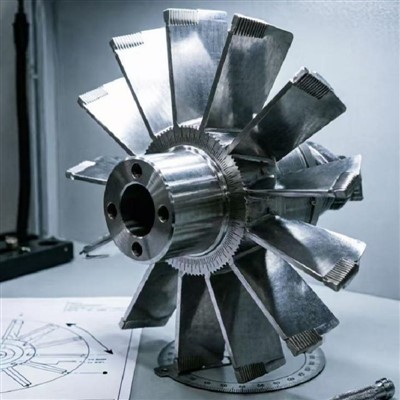
If you’re still on the fence, or you have a project coming up and you want to make sure you pick the right material, hit me up. I don’t do pushy sales— I give straight answers, even if that means telling you to go with aluminum instead of stainless because it’s a better fit for your build. Let’s chat through your needs, get you the right material, and make sure your project doesn’t end up being a headache down the line. No pressure, no weird fine print, just good old-fashioned metal advice.
Fan Impeller References:
-ASM International. (2019). Properties of Stainless Steel Alloys. ASM Handbook, Volume 2: Properties and Selection: Nonferrous Alloys and Special-Purpose Materials.
-The Aluminum Association. (2021). Aluminum vs. Stainless Steel: Property Comparison for Industrial Applications. Aluminum Industry Data Report.
-National Association of Corrosion Engineers (NACE). (2020). Corrosion Resistance of Metal Alloys in Marine and Industrial Environments. Corrosion Technology Bulletin 117.
Shandong Shunye Stainless Steel Co., Ltd.
Address: Shandong Province, Binzhou City, Wudi County, Liubao Town, Zhangdong Road, Duliucun Village
E-mail: sales@wdshunye.com
WebSite: https://www.shunyecasting.com/
