As a supplier of pellet mill machines, I’ve had the privilege of working closely with various clients, from small – scale farmers to large – scale industrial producers. One question that frequently comes up is: What maintenance is required for a pellet mill machine? Proper maintenance is essential not only for the longevity of the machine but also for ensuring high – quality pellet production. In this blog, I’ll delve into the key aspects of pellet mill machine maintenance. Pellet Mill Machine
Regular Cleaning
One of the most fundamental maintenance tasks for a pellet mill machine is regular cleaning. During the pelletizing process, fine dust, wood chips, and other debris can accumulate within the machine. This build – up can affect the machine’s performance, lead to blockages, and even cause premature wear of parts.
After each use, it’s advisable to clean the pellet mill thoroughly. Start by removing any residual pellets or feedstock from the feeder, hopper, and die chamber. Use a brush or compressed air to dislodge stubborn debris from hard – to – reach areas. For the die, which is a crucial part of the pelletizing process, soak it in a suitable cleaning solution to remove any caked – on material. However, make sure to follow the manufacturer’s guidelines when using cleaning solvents, as some may damage the die’s surface.
Regular cleaning also extends to the cooling system. If your pellet mill has a cooling mechanism, clean the air ducts and the heat exchangers regularly. Clogged air ducts can reduce the cooling efficiency, leading to overheating of the machine, which can in turn damage internal components.
Lubrication
Proper lubrication is another vital aspect of pellet mill maintenance. The moving parts of the pellet mill, such as the gears, bearings, and shafts, require regular lubrication to reduce friction and prevent wear and tear.
Check the lubrication levels in the machine’s gearbox and bearing housings frequently. Different parts of the pellet mill may require different types of lubricants. For example, high – speed bearings may need a specialized high – temperature grease, while the gearbox may need a specific grade of oil. Always refer to the machine’s manual to use the correct lubricants.
Over – lubrication can be as detrimental as under – lubrication. Excess lubricant can attract dust and debris, leading to the formation of sludge, which can cause blockages and damage the machine. Therefore, it’s important to apply the right amount of lubricant at the recommended intervals.
Inspection of Wear Parts
Pellet mill machines have several wear parts that need to be inspected regularly. The die is one of the most critical wear parts. The die is responsible for shaping the pellets, and over time, its holes can become worn or blocked, affecting the quality and output of the pellets.
Inspect the die for signs of wear, such as enlarged or irregularly shaped holes. If the die is significantly worn, it should be replaced. Other wear parts include the rollers, which come into direct contact with the die to compress the feedstock into pellets. The rollers can also wear down over time, and their surface condition can impact pellet quality. Check for cracks, uneven wear, and proper alignment of the rollers.
The drive belts and chains also fall into the category of wear parts. Inspect them for signs of fraying, stretching, or excessive wear. A worn – out belt or chain can slip, leading to a loss of power transfer and reduced machine performance. Replace any worn – out belts or chains promptly.
Tightening of Bolts and Fasteners
During the operation of a pellet mill machine, vibrations can cause bolts and fasteners to loosen. Loose bolts can lead to misalignment of parts, increased noise levels, and even damage to the machine.
Periodically check all the bolts and fasteners on the pellet mill, including those on the frame, the motor, and the feeder. Use a torque wrench to ensure that they are tightened to the specified torque values. This is especially important for critical components such as the bolts holding the die and the rollers in place.
Electrical System Maintenance
If your pellet mill is electrically powered, proper maintenance of the electrical system is crucial. Start by regularly inspecting the electrical cables for any signs of damage, such as cuts, abrasions, or fraying. Damaged cables can pose a safety hazard, including the risk of electric shock and short – circuits.
Check the electrical connections to ensure they are tight and free from corrosion. Loose or corroded connections can cause power fluctuations, which can damage electrical components such as the motor and the control panel. Clean any corroded terminals using a suitable electrical contact cleaner.
Inspect the control panel regularly to make sure all the switches, relays, and sensors are functioning properly. If you notice any error messages or abnormal behavior in the control panel, troubleshoot and repair the issue promptly.
Calibration and Adjustment
Periodic calibration and adjustment of the pellet mill are necessary to maintain optimal performance. Calibration involves setting the machine to the correct parameters for pellet production, such as the feed rate, temperature, and pressure.
The feed rate affects the density and quality of the pellets. If the feed rate is too high, the pellets may be poorly formed or have a low density. On the other hand, if the feed rate is too low, the production efficiency will be reduced. Adjust the feed rate according to the type of feedstock and the desired pellet quality.
The temperature and pressure settings also play a crucial role in pellet formation. Different feedstocks require different temperature and pressure conditions for optimal pelletizing. Use the machine’s control panel to adjust these parameters based on the feedstock specifications.
Operator Training
Another important aspect related to maintenance is operator training. A well – trained operator can not only operate the pellet mill machine more efficiently but also perform basic maintenance tasks and identify early signs of problems.
Provide comprehensive training to operators on how to operate the machine, including starting and shutting down procedures, adjusting parameters, and using safety features. Teach them about the importance of regular maintenance and how to perform simple tasks such as cleaning and lubrication.
Encourage operators to report any unusual noises, vibrations, or performance issues immediately. Early detection of problems can prevent more serious damage to the machine and reduce downtime.
Storage and Environmental Considerations
When the pellet mill machine is not in use, proper storage is essential. Store the machine in a dry, clean environment to prevent rust and corrosion. If possible, cover the machine with a protective tarp to prevent dust and debris from accumulating on it.
Avoid exposing the machine to extreme temperatures and humidity. High humidity can cause rusting of metal parts, while extreme cold can make some components brittle. If the machine is stored in a cold environment, allow it to warm up to room temperature before starting it to prevent damage due to thermal stress.
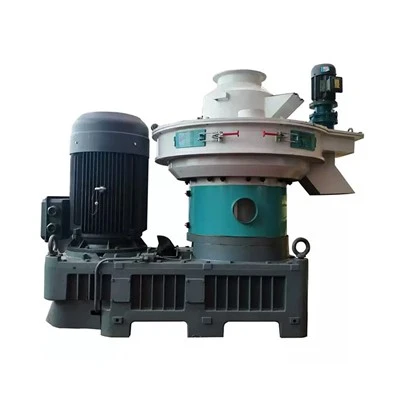
In conclusion, maintaining a pellet mill machine requires a combination of regular cleaning, lubrication, inspection of wear parts, tightening of bolts, electrical system maintenance, calibration, operator training, and proper storage. By following these maintenance practices, you can ensure the longevity and optimal performance of your pellet mill.
Biomass Pellet Mill If you’re in the market for a high – quality pellet mill machine or need more detailed information on maintenance and operation, I’d be more than happy to assist you. Please reach out for a personalized consultation and procurement discussion.
References
- Manufacturer’s manuals for various pellet mill machines
- Industry – specific technical literature on pellet mill maintenance and operation
Zhengzhou Xinyihaotong Machinery Manufacturing Co., Ltd.
As one of the most professional pellet mill machine manufacturers in China, we also support custom service. We warmly welcome you to buy high quality pellet mill machine for sale here from our factory. For price consultation, contact us.
Address: Rooms 2301–2312, Jiayi Building, Xinxiang City, Henan Province, China
E-mail: zhaoyixuan5566@gmail.com
WebSite: https://www.xyhtmachinery.com/
