Hey there! As a supplier of gloss meters, I often get asked a bunch of questions about these nifty gadgets. One that comes up quite a bit is, "What is the anti – interference ability of a gloss meter?" So, let’s dig into it and break it down in a way that’s easy to understand. Gloss Meter
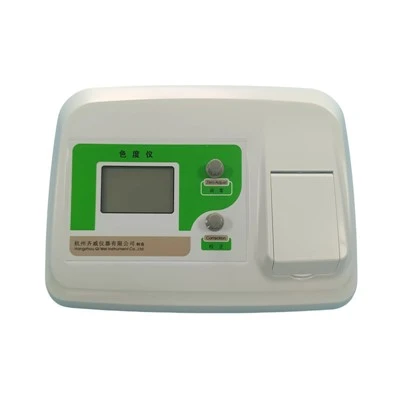
First off, what’s a gloss meter? Well, it’s a device that measures the gloss of a surface. Gloss is basically how shiny or reflective a surface is. It’s super important in a whole bunch of industries. For example, in the automotive industry, they need to make sure the paint on cars has the right amount of gloss. In the furniture business, the gloss level of the finish affects how the piece looks and feels. And in the printing industry, glossy magazines and brochures rely on accurate gloss measurements.
Now, let’s talk about this anti – interference thing. You see, a gloss meter is trying to give you an accurate reading of the gloss level. But there are a whole bunch of things that can mess up that reading. Those things are what we call "interferences."
One of the most common interferences is ambient light. When you’re using a gloss meter, the light from the device hits the surface, and then it reflects back into the meter. But if there’s a bunch of extra light from around, say from a bright window or a harsh fluorescent light, it can mix in with the reflected light from the device. This can make the meter think there’s more or less gloss than there actually is.
Another interference can be surface imperfections. If the surface you’re measuring has scratches, bumps, or dirt, it can scatter the light differently. For instance, a scratch might cause the light to bounce off in a different direction than it would on a smooth surface. This scatter can also lead to inaccurate gloss readings.
And then there are electrical interferences. Gloss meters are electronic devices, and they can be affected by electrical signals in the environment. Electrical noise from nearby machinery or power lines can disrupt the internal electronics of the gloss meter, causing the readings to be off.
So, what does the anti – interference ability of a gloss meter mean? It’s all about how well the meter can deal with these problematic factors and still give you an accurate gloss measurement. A gloss meter with good anti – interference ability has a few tricks up its sleeve.
Let’s start with dealing with ambient light. Some of our gloss meters use filters. These filters are like sunglasses for the meter. They only let in the specific wavelengths of light that are relevant to the gloss measurement. So, the extra ambient light doesn’t get in and mess up the reading.
For surface imperfections, modern gloss meters are designed with advanced optics. They can analyze the light reflection patterns in a smarter way. Instead of just looking at a single point on the surface, they can take multiple measurements from different angles. This helps to average out the effects of small scratches or bumps, giving a more accurate overall gloss reading.
When it comes to electrical interferences, we’ve used shielded components in our gloss meters. These shields are like a protective shell around the electronics. They block out the unwanted electrical signals, making sure that only the correct signals related to the gloss measurement are processed.
Now, why is this anti – interference ability so crucial? Well, think about it from the perspective of our customers. If you’re a manufacturer, and you’re relying on a gloss meter to ensure the quality of your products, an inaccurate reading can be a big problem. You might end up with products that don’t meet the required gloss standards. This could lead to customer complaints, product recalls, and a hit to your reputation.
On the other hand, if you have a gloss meter with great anti – interference ability, you can be confident in your measurements. You can trust that the gloss levels you’re getting are real, which means you can produce high – quality products consistently.
Let me give you a real – world example. We had a customer in the plastics industry. They were using a different gloss meter, and they were constantly getting inconsistent readings. Their products were supposed to have a certain gloss level for a specific project. But because of the interferences, their gloss meter was giving readings all over the place. When they switched to our gloss meter with excellent anti – interference ability, things changed. They were able to get accurate and consistent gloss measurements right away. This helped them to produce plastics with the exact gloss level they needed, and it saved them a lot of time and money in the long run.
Another thing to keep in mind is that different industries have different requirements for anti – interference. For example, in a high – tech electronics manufacturing environment, there are a lot of electrical signals. So, a gloss meter used there needs to have top – notch electrical anti – interference ability. In a carpentry workshop, where there might be more issues with dust on the surface and ambient sunlight coming in through windows, a gloss meter with good light and surface – imperfection anti – interference is more important.
At our company, we’ve spent a lot of time and effort researching and developing gloss meters with great anti – interference abilities. We know that our customers rely on us to provide them with the best tools for their jobs. That’s why our gloss meters are tested in a variety of real – world situations. We expose them to different levels of ambient light, different surface conditions, and different electrical environments to make sure they can handle it all and still give accurate readings.
So, if you’re in the market for a gloss meter, don’t just look at the basic gloss – measuring capabilities. Consider the anti – interference ability too. It can make a huge difference in the quality and reliability of your gloss measurements.
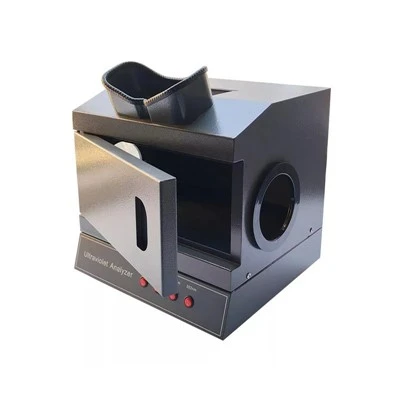
If you’re interested in learning more about our gloss meters and their anti – interference features, or if you want to start a conversation about purchasing, feel free to reach out. We’re here to help you find the perfect gloss meter for your specific needs.
EC Meter References
- "Fundamentals of Gloss Measurement" by renowned industry experts
- "Optics and Electronics in Gloss Meter Design" from a leading scientific journal on measurement devices
Hangzhou Qiwei Instrument Co., Ltd.
Hangzhou Qiwei Instrument Co., Ltd. is one of the most reliable manufacturers and suppliers of gloss meter in China, featured by quality products and good service. Please rest assured to buy bulk durable gloss meter in stock here from our factory. We also accept customized orders.
Address: Room 101, Building 25, No. 488-1, Donghu North Road, Linping District, Hangzhou City, Zhejiang Province, China
E-mail: info@qiweilab.com
WebSite: https://www.qiweilab.com/
