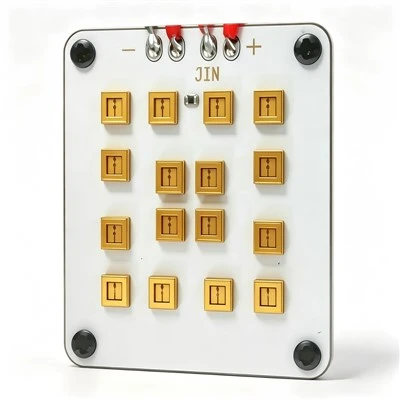
Hey there! As a supplier of laser modules, I often get asked if these nifty little gadgets can be used in the textile industry. Well, let me tell you, the answer is a resounding yes! In this blog post, I’ll dive into how laser modules are making a big impact in the world of textiles and why they’re becoming an essential tool for many textile businesses. Laser Module
Cutting with Precision
One of the most significant applications of laser modules in the textile industry is cutting. Traditional cutting methods, like using blades, can be imprecise and may lead to frayed edges. Laser cutting, on the other hand, is super precise. The focused beam of the laser can cut through various types of fabrics, from thin silk to thick denim, with incredible accuracy.
When we talk about precision, we’re talking about getting clean, sharp edges every time. This is crucial in the textile industry, especially for high – end fashion brands. They need their cuts to be perfect because any irregularity can ruin the look of the final product. Laser modules can be programmed to follow intricate patterns. Whether it’s a simple straight line or a complex geometric shape, the laser cuts exactly where it’s supposed to, minimizing waste and ensuring a high – quality finish.
Another advantage of laser cutting in the textile industry is speed. It can cut through fabrics much faster than manual or traditional mechanical cutting methods. This means that textile manufacturers can increase their production output without sacrificing quality. For a business, this translates to higher profits and a better ability to meet customer demands.
Engraving and Marking
Apart from cutting, laser modules are also excellent for engraving and marking on textiles. Engraving can add a unique touch to the fabric, making it stand out in the market. For example, a clothing brand might want to engrave its logo on the fabric of its signature pieces. Laser engraving allows for a permanent and detailed mark that won’t fade or wash out.
Markings can also be used for practical purposes. In the manufacturing process, it’s often necessary to mark the fabric with size labels, cutting lines, or other important information. Laser marking provides a clear and legible way to do this. It’s also a more efficient method compared to traditional marking techniques like printing or stamping. With laser marking, the process can be automated, reducing the time and labor required for marking large quantities of fabric.
Welding and Sealing
Laser modules can also be used for welding and sealing textiles. In some cases, traditional sewing methods may not be suitable, especially for fabrics that need to be waterproof or airtight. Laser welding creates a strong bond between the layers of fabric by melting and fusing them together. This is particularly useful in the production of outdoor clothing, swimwear, and technical textiles.
Sealing with a laser can prevent fraying and ensure the durability of the fabric. It’s a clean and efficient process that doesn’t require any additional materials like thread or glue. This not only simplifies the manufacturing process but also reduces costs in the long run.
Advantages Over Traditional Methods
Now, you might be wondering why textile manufacturers should switch to laser module – based processes. Well, there are several reasons. First of all, as I mentioned earlier, laser technology offers higher precision. This leads to better – quality products, which can command higher prices in the market.
Secondly, laser processes are more environmentally friendly. Traditional cutting and marking methods often involve the use of chemicals and generate a lot of waste. Laser cutting and marking are clean processes that produce minimal waste. The energy consumption of laser modules is also relatively low, making them a more sustainable option.
Thirdly, laser modules offer greater flexibility. They can be easily programmed to perform different tasks on various types of fabrics. This means that textile manufacturers can quickly adapt to changing market demands and produce a wider range of products.
Challenges and Considerations
Of course, like any technology, there are some challenges and considerations when using laser modules in the textile industry. One of the main challenges is the initial cost of the equipment. Laser cutting and marking machines can be quite expensive, especially for small and medium – sized textile businesses. However, it’s important to look at the long – term benefits. The increased efficiency, higher quality, and reduced waste can lead to significant cost savings over time.
Another consideration is the safety aspect. Laser beams can be dangerous if not handled properly. Textile manufacturers need to invest in proper safety equipment and training for their employees. This includes wearing protective eyewear and ensuring that the laser machines are installed in a well – ventilated area to prevent the inhalation of any fumes generated during the cutting or marking process.
Future Outlook
The future of laser modules in the textile industry looks bright. As technology continues to advance, we can expect to see even more innovative applications of laser technology. For example, the development of more powerful and precise laser modules will allow for even more intricate cutting and engraving on textiles.
There is also potential for the integration of laser technology with other advanced manufacturing technologies, such as 3D printing and robotics. This could lead to the creation of entirely new types of textile products with unique properties and designs.
Conclusion
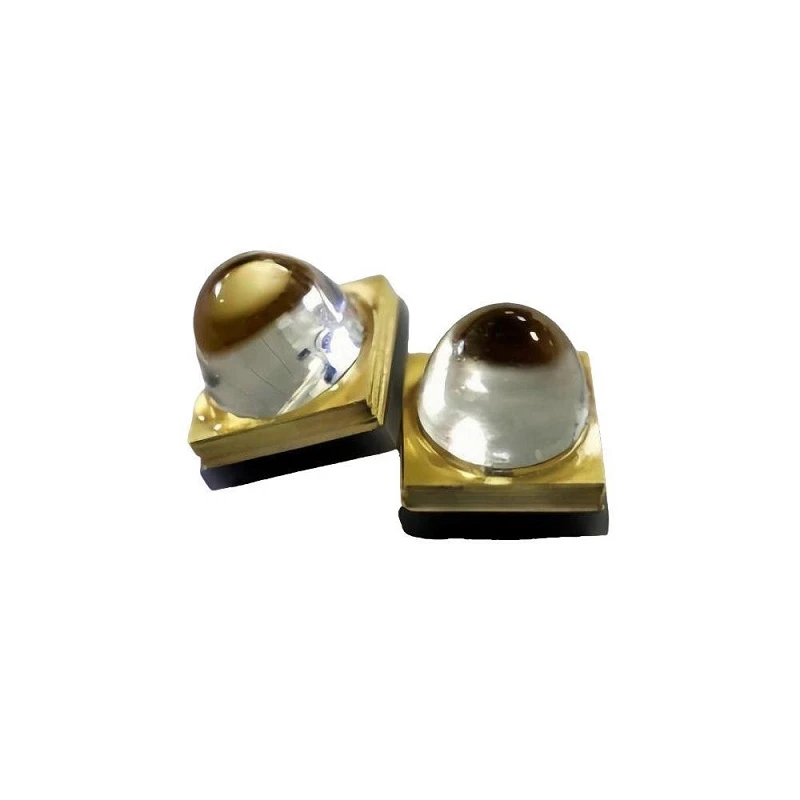
In conclusion, laser modules have a wide range of applications in the textile industry, from cutting and engraving to welding and sealing. They offer many advantages over traditional methods, including higher precision, better quality, increased efficiency, and environmental friendliness. While there are some challenges and considerations, the long – term benefits make it a worthwhile investment for textile manufacturers.
Static Water/ Water Flow Module If you’re in the textile industry and looking to take your production to the next level, I encourage you to consider using laser modules. We, as a laser module supplier, can offer you high – quality products and professional advice to help you get the most out of this technology. Whether you need a simple laser cutting machine for small – scale production or a more advanced system for large – volume manufacturing, we’ve got you covered. Contact us to start a conversation about how our laser modules can meet your specific needs and help you grow your business.
References
- "Laser Technology for Textile Processing" by various authors in the Journal of Textile Science and Technology.
- "Advances in Laser Cutting and Marking in the Textile Industry" from industry research reports.
- "The Future of Laser Applications in Textiles" presented at a major textile technology conference.
UVLEDTEK Group
As one of the most professional laser module manufacturers and suppliers in China, our products have good reputation in the market. Please rest assured to buy high quality laser module at competitive price from our factory. For more information, contact us now.
Address: Huangshi Industrial Zone, Putian City, Fujian Province, China
E-mail: info@uvledtek.com
WebSite: https://www.uvledtek.com/
