Hey there! I’m a supplier of bituminous waterproof membranes, and let me tell you, the tech in this field has been evolving like crazy lately. In this blog, I’ll share some of the latest technological advancements that are making waves in the bituminous waterproof membrane world. Bituminous Waterproof Membrane
Nano – Technology Integration
One of the coolest things that’s been happening is the integration of nano – technology into bituminous waterproof membranes. Nano – particles, like nano – silica and nano – clay, are being added to the bitumen matrix. These tiny particles are so small that they can fill in the microscopic pores and gaps in the membrane.
When we use nano – silica, it enhances the mechanical properties of the membrane. It makes the membrane stronger and more resistant to cracking. You know how sometimes, a membrane might start to develop small cracks over time due to temperature changes or mechanical stress? Well, the nano – silica helps to prevent that. It acts like a reinforcement at the nano – scale, holding the membrane together better.
Nano – clay is another great addition. It improves the water – resistant properties of the membrane. It forms a kind of barrier at the molecular level, making it even harder for water molecules to penetrate the membrane. This means that the membrane can provide better waterproofing for a longer period. And it’s not just about keeping water out; it also helps to protect the underlying structure from moisture – related damage, like corrosion and mold growth.
Self – Healing Technology
Self – healing is a game – changer in the bituminous waterproof membrane industry. We all know that even the best – made membranes can get damaged. Maybe there’s a small puncture during installation or some wear and tear over time. That’s where self – healing technology comes in.
Some of the latest membranes are designed with materials that can repair themselves when damaged. For example, there are microcapsules filled with a healing agent embedded in the membrane. When the membrane gets a crack or a puncture, the microcapsules break, releasing the healing agent. This agent then fills in the crack and bonds the two sides together, effectively repairing the damage.
This is a huge advantage, especially in long – term applications. It means that the membrane can maintain its waterproofing performance even if it gets a few small damages. It reduces the need for frequent repairs and replacements, which saves time and money for our customers.
Improved Adhesion Technology
Adhesion is crucial for a waterproof membrane. If the membrane doesn’t stick well to the surface it’s applied to, water can seep in under the membrane, and all the waterproofing efforts go down the drain. That’s why improved adhesion technology is a big deal.
New bituminous waterproof membranes are being developed with better adhesion properties. We’re using advanced polymers and additives to enhance the bonding between the membrane and the substrate. These polymers can form strong chemical bonds with the surface, creating a tight seal.
In addition, some membranes are designed with a self – adhering layer. This layer makes the installation process much easier. You just peel off the backing and stick the membrane to the surface. And because of the improved adhesion, the membrane stays in place even under harsh conditions, like high winds or heavy rainfall.
UV Resistance Enhancement
Bituminous waterproof membranes are often exposed to sunlight, and ultraviolet (UV) rays can cause damage over time. UV rays can break down the bitumen, making the membrane brittle and less effective at waterproofing. To combat this, there have been significant advancements in UV resistance technology.
Manufacturers are adding UV stabilizers to the bituminous membranes. These stabilizers absorb and dissipate the UV energy, preventing it from damaging the bitumen. Some membranes also have a special top – layer coating that provides an additional layer of protection against UV rays.
This enhanced UV resistance means that the membranes can last longer when exposed to sunlight. They can maintain their flexibility and waterproofing performance for many years, even in sunny climates. This is a huge advantage for outdoor applications, like roofing and waterproofing of exterior walls.
Smart and Sensor – Integrated Membranes
The future is here with smart and sensor – integrated bituminous waterproof membranes. These membranes are equipped with sensors that can monitor various parameters, such as moisture levels, temperature, and stress.
The moisture sensors can detect if there’s any water seepage through the membrane. This is extremely useful because it allows for early detection of potential problems. If the sensor detects a rise in moisture levels, it can send an alert to the building management system or the maintenance team. They can then take action before the water damage becomes severe.
Temperature sensors can also be beneficial. They can help to monitor how the membrane is performing under different temperature conditions. If the temperature gets too high or too low, the membrane might expand or contract, which could lead to damage. By monitoring the temperature, we can take preventive measures to ensure the longevity of the membrane.
Environmental – Friendly Formulations
In today’s world, being environmentally friendly is a must. That’s why we’re seeing a lot of advancements in the development of environmental – friendly bituminous waterproof membranes.
Manufacturers are reducing the use of harmful chemicals and solvents in the membrane production process. Instead, they’re using bio – based materials and water – based formulations. Bio – based materials are derived from renewable resources, like plant oils, which reduces the carbon footprint of the membrane.
Water – based formulations are also a great alternative. They have lower volatile organic compound (VOC) emissions compared to traditional solvent – based formulations. This not only makes the membranes safer for the environment but also for the workers who install them.
Conclusion

As you can see, the bituminous waterproof membrane industry is constantly evolving with new technological advancements. From nano – technology integration to smart and sensor – integrated membranes, these innovations are making our membranes more durable, effective, and environmentally friendly.
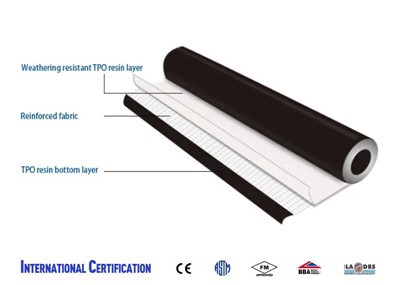
TPO Waterproof Membrane If you’re in the market for bituminous waterproof membranes, I’d love to have a chat with you. Whether you’re working on a small residential project or a large commercial building, we have the right solution for you. These latest advancements mean that you can get a high – quality, long – lasting waterproofing solution that meets your specific needs. So, don’t hesitate to reach out and start a conversation about your project. We’re here to help you make the best choice for your waterproofing requirements.
References
- ASTM International standards related to bituminous waterproof membranes
- Journal of Construction and Building Materials articles on waterproofing technology advancements
- Industry reports from leading construction research firms
Oseaguard
As one of the most professional bituminous waterproof membrane manufacturers and suppliers in China, we’re featured by quality products and good service. Please rest assured to wholesale bulk customized bituminous waterproof membrane from our factory. Contact us for more details.
Address: No.9 Kaituo Road, Hongze Economic Development Zone, Huaian City, Jiangsu Province
E-mail: Leaha@oseaguardtech.com
WebSite: https://www.oseaguardtech.com/
