Yo, what’s up, tech enthusiasts! I’m a supplier of industrial panel PCs, and I often get asked how these bad boys differ from regular PCs. Well, buckle up because I’m about to break it down for you in plain English. Industrial Panel PC

Let’s start with the physical differences. Industrial panel PCs are built like tanks. I mean, they’re designed to withstand some seriously harsh environments. Unlike regular PCs, which are typically meant for a cozy office or home setting, industrial panel PCs can handle extreme temperatures, dust, moisture, and even vibrations.
For example, in a manufacturing plant, there’s a ton of dust flying around from all the machinery. A regular PC would be clogged up in no time, but an industrial panel PC is sealed to prevent dust from getting in. The same goes for moisture. In a food processing facility, there’s a lot of water and steam. An industrial panel PC can handle that kind of wet environment without short – circuiting, while a regular PC would be toast.
Vibrations are another biggie. In construction sites or on ships, there are constant vibrations. Regular PCs have components that can easily get shaken loose, but industrial panel PCs are equipped with shock – and – vibration – resistant features. The components are often mounted in a way that they can withstand these movements without breaking down.
When it comes to size and form factor, industrial panel PCs are more flexible. They come in a variety of sizes, from small, compact ones that can be easily mounted on a machine control panel to large, high – resolution displays for monitoring systems. They’re also designed to be integrated into existing industrial equipment. You can have them as a standalone unit or built directly into a machine.
Regular PCs, on the other hand, usually come in standard desktop or laptop sizes. They’re meant to be placed on a desk or carried around in a bag. They’re not really built to be part of a larger industrial setup.
Now, let’s talk about performance. Industrial panel PCs are optimized for specific industrial applications. They need to be reliable and have consistent performance. For example, in a factory automation system, an industrial panel PC needs to run industrial software without any glitches. It has to handle real – time data processing, which means it can’t afford to lag or crash.
Regular PCs are more general – purpose. They’re great for things like web browsing, watching movies, and running office applications. But when it comes to heavy – duty industrial tasks, they’re just not up to the task. The CPUs, memory, and storage in industrial panel PCs are often chosen based on the specific requirements of the industrial application. They can be configured to handle high – volume data transfer and complex algorithms.
In terms of software and operating systems, industrial panel PCs often use specialized operating systems. Windows Embedded is a popular choice because it’s stable and can be customized for industrial use. Linux is another option, especially for those who want an open – source solution that can be tailored to their needs.
Regular PCs usually come with the latest version of Windows or macOS. These operating systems are more focused on consumer – friendly features like multimedia playback and easy – to – use interfaces. They’re not as optimized for industrial applications as the specialized operating systems used in industrial panel PCs.
Another key difference is the lifespan. Industrial panel PCs are built to last. They’re designed with long – term use in mind. In an industrial environment, it’s not practical to replace a PC every few years. These machines need to keep running for a decade or more. Manufacturers of industrial panel PCs use high – quality components and have strict quality control measures to ensure a long lifespan.
Regular PCs, however, have a much shorter lifespan. Technology advances so quickly in the consumer market that people often upgrade their PCs every 3 – 5 years to get the latest features and better performance.
Maintenance is also different. Industrial panel PCs are designed to be easy to maintain. They often have modular components, which means that if something goes wrong, you can easily replace a part without having to replace the whole unit. This reduces downtime in industrial operations.
In contrast, regular PCs may require more technical expertise to repair. And in some cases, it might be more cost – effective to just buy a new one rather than trying to fix an old PC.
Now, let’s touch on connectivity. Industrial panel PCs need to connect to a variety of industrial devices. They have a wide range of connectivity options, like Ethernet, USB, serial ports, and CAN bus. These connections are used to communicate with sensors, actuators, and other industrial equipment.
Regular PCs usually have standard USB, Ethernet, and Wi – Fi connections, which are mainly for connecting to printers, keyboards, mice, and the internet. They’re not really set up to connect to the specialized devices used in industrial environments.
Lastly, there’s the issue of cost. Industrial panel PCs are more expensive than regular PCs. But when you think about it, you’re paying for the durability, reliability, and specialized features. In an industrial setting, the cost of downtime due to a PC failure can be astronomical. So, investing in a high – quality industrial panel PC is a smart move in the long run.
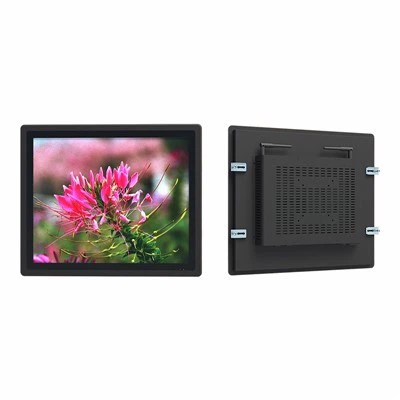
So, there you have it, folks! That’s how an industrial panel PC differs from a regular PC. If you’re in the market for an industrial panel PC for your business, whether it’s for factory automation, transportation, or any other industrial application, I’d love to chat. Drop me a message and let’s discuss how we can find the perfect industrial panel PC solution for you.
HJS OPS References:
- Industry studies on industrial computing reliability
- Technical specifications of major industrial panel PC manufacturers
- Comparisons of industrial and consumer – grade computing components
Shenzhen HJS Technology Group
Shenzhen HJS Technology Group is one of the most experienced industrial panel pc manufacturers and suppliers in China, featured by quality products and good service. Please rest assured to buy CE approved industrial panel pc made in China here from our factory. For price consultation, contact us.
Address: F10, Wanhe Technology Building C, No. 7 HuiTong Road, Fenghuang Street, Guangming New District, Shenzhen. China.
E-mail: info@hjs-pc.com
WebSite: https://www.hjs-pc.com/
