As a supplier of Ultrafiltration Cassettes, I often receive inquiries from customers regarding low flux issues in their ultrafiltration processes. Low flux can significantly impact the efficiency and productivity of ultrafiltration systems, leading to longer processing times, increased costs, and reduced overall performance. In this blog post, I will share some practical tips and strategies on how to troubleshoot low flux in Ultrafiltration Cassettes. Ultrafiltration Cassettes

Understanding Ultrafiltration and Flux
Ultrafiltration is a membrane-based separation process that uses a semi-permeable membrane to separate particles and solutes based on their size. The flux in ultrafiltration refers to the rate at which the liquid passes through the membrane. It is typically measured in liters per square meter per hour (L/m²/h). A low flux indicates that the liquid is passing through the membrane at a slower rate than expected, which can be caused by various factors.
Common Causes of Low Flux in Ultrafiltration Cassettes
- Membrane Fouling
- Membrane fouling is one of the most common causes of low flux in ultrafiltration. It occurs when particles, proteins, or other contaminants accumulate on the membrane surface or within the membrane pores, blocking the flow of liquid. Fouling can be classified into two main types: reversible fouling, which can be removed by cleaning, and irreversible fouling, which requires membrane replacement.
- Factors that contribute to membrane fouling include high feed concentration, high particle load, and the presence of sticky or gelatinous substances in the feed solution.
- Compaction
- Membrane compaction occurs when the membrane is subjected to high pressure, causing the pores to shrink and reducing the flux. Compaction can be a gradual process, especially in systems that operate at high pressures for extended periods.
- The degree of compaction depends on the membrane material, the pressure applied, and the duration of operation.
- Feed Properties
- The properties of the feed solution, such as viscosity, temperature, and pH, can also affect the flux. High viscosity solutions can reduce the flow rate through the membrane, while extreme temperatures or pH values can cause membrane damage or changes in the membrane structure.
- For example, some membranes are sensitive to high temperatures, which can cause the membrane to swell or lose its integrity, leading to reduced flux.
- Operating Conditions
- Incorrect operating conditions, such as improper pressure, flow rate, or crossflow velocity, can also result in low flux. If the pressure is too low, the driving force for filtration is insufficient, and the flux will be low. On the other hand, if the pressure is too high, it can cause membrane compaction or damage.
- Similarly, a low crossflow velocity can lead to increased fouling, as the shear force is not sufficient to prevent particle deposition on the membrane surface.
Troubleshooting Low Flux in Ultrafiltration Cassettes
- Check the Feed Solution
- Analyze the feed solution to determine its properties, such as concentration, particle size distribution, viscosity, and pH. If the feed solution has a high concentration of solids or particles, consider pre – filtering the solution to remove large particles before it enters the ultrafiltration cassette.
- Adjust the pH and temperature of the feed solution to the optimal range recommended by the membrane manufacturer. This can help improve the flux and prevent membrane damage.
- Inspect the Membrane
- Examine the membrane for signs of fouling or damage. A fouled membrane may appear dirty or have a layer of deposits on its surface. If the fouling is reversible, perform a cleaning procedure using appropriate cleaning agents.
- For example, a simple cleaning solution of water and mild detergent can be used to remove surface fouling. For more stubborn fouling, specialized cleaning agents may be required.
- If the membrane is damaged, such as having holes or tears, it will need to be replaced.
- Evaluate the Operating Conditions
- Check the pressure, flow rate, and crossflow velocity of the ultrafiltration system. Ensure that these parameters are within the recommended range for the specific ultrafiltration cassette.
- If the pressure is too low, increase it gradually to the optimal level. However, be careful not to exceed the maximum pressure limit of the membrane to avoid damage.
- Similarly, adjust the crossflow velocity to ensure that it is sufficient to prevent fouling. A higher crossflow velocity can help sweep particles away from the membrane surface.
- Monitor and Maintain the System
- Regularly monitor the flux and other operating parameters of the ultrafiltration system. Keep a record of the flux over time to identify any trends or changes.
- Implement a preventive maintenance schedule, including regular cleaning and replacement of filters and other components. This can help prevent fouling and ensure the long – term performance of the ultrafiltration cassette.
Preventive Measures to Avoid Low Flux
- Proper Pretreatment
- Implement a comprehensive pretreatment process for the feed solution. This can include filtration, sedimentation, and chemical treatment to remove particles, organic matter, and other contaminants before they reach the ultrafiltration cassette.
- Pretreatment can significantly reduce the risk of membrane fouling and improve the overall performance of the ultrafiltration system.
- Optimal Operating Conditions
- Follow the manufacturer’s recommendations for operating conditions, including pressure, flow rate, and temperature. Avoid operating the system at extreme conditions that can cause membrane damage or fouling.
- Regularly calibrate the equipment to ensure accurate measurement of operating parameters.
- Regular Cleaning and Maintenance
- Establish a regular cleaning schedule for the ultrafiltration cassette. Use appropriate cleaning agents and procedures to remove fouling and maintain the membrane’s performance.
- Replace the membrane and other components as recommended by the manufacturer to ensure the long – term reliability of the system.
Conclusion
Low flux in Ultrafiltration Cassettes can be a frustrating issue, but by understanding the common causes and implementing the appropriate troubleshooting and preventive measures, it can be effectively addressed. As a supplier of Ultrafiltration Cassettes, we are committed to providing our customers with high – quality products and technical support to help them optimize their ultrafiltration processes.
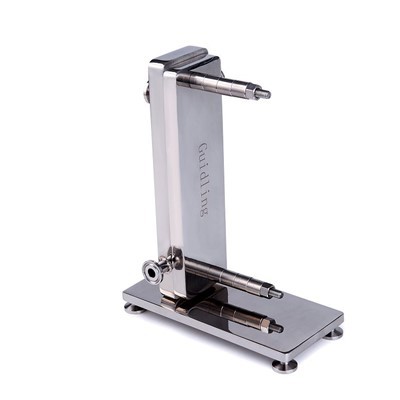
0.5-2.5m2 Stainless Steel Holder If you are experiencing low flux issues in your ultrafiltration system or are interested in learning more about our Ultrafiltration Cassettes, we encourage you to contact us for a consultation. Our team of experts is ready to assist you in finding the best solutions for your specific needs.
References
- Cheryan, M. Ultrafiltration Handbook. Technomic Publishing Co., Inc., 1986.
- Mulder, M. Basic Principles of Membrane Technology. Kluwer Academic Publishers, 1996.
- Porter, M. C. Handbook of Industrial Membrane Technology. Noyes Publications, 1990.
Hangzhou Guidling Technology Co., Ltd.
As one of the leading ultrafiltration cassettes manufacturers and suppliers in China, we also support customized service. We warmly welcome you to wholesale high quality ultrafiltration cassettes in stock here from our factory. For quotation, contact us now.
Address: No.795, 18th Street, Qiantang New District, Hangzhou City, Zhejiang Province, China
E-mail: export1@guidling.net
WebSite: https://www.guidlingfiltration.com/
