As a supplier of precision steel tubes for ESP (Electrical Submersible Pump) pump housings, I am often asked about the materials used in these crucial components. The choice of material for an ESP pump housing is a critical decision that can significantly impact the performance, durability, and overall efficiency of the pump. In this blog, I will delve into the materials commonly used for precision steel tubes in ESP pump housings, exploring their properties, advantages, and considerations. Precision Steel Tube for Esp Pump Housing
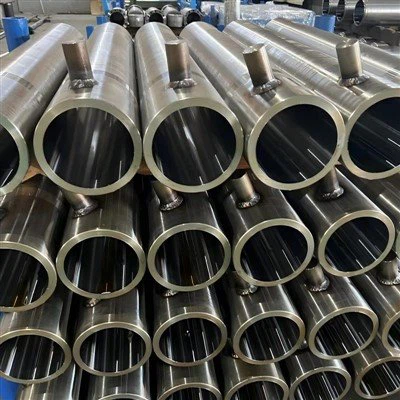
Common Materials for Precision Steel Tubes in ESP Pump Housings
Stainless Steel
Stainless steel is one of the most popular materials for ESP pump housings due to its excellent corrosion resistance, high strength, and good weldability. It contains chromium, which forms a passive oxide layer on the surface, protecting the steel from rust and corrosion. This makes stainless steel particularly suitable for use in harsh environments, such as oil and gas wells, where the pump may be exposed to corrosive fluids and gases.
There are several types of stainless steel commonly used in ESP pump housings, including austenitic, ferritic, and martensitic stainless steels. Austenitic stainless steels, such as 304 and 316, are the most widely used due to their excellent corrosion resistance, high ductility, and good formability. Ferritic stainless steels, such as 430, are less expensive and have good corrosion resistance, but they are less ductile and more prone to cracking. Martensitic stainless steels, such as 410, are stronger and harder than austenitic and ferritic stainless steels, but they are also more brittle and have lower corrosion resistance.
Carbon Steel
Carbon steel is another commonly used material for ESP pump housings. It is a cost-effective option that offers good strength and durability. Carbon steel contains carbon as the main alloying element, which gives it its strength and hardness. However, carbon steel is more prone to corrosion than stainless steel, so it may require additional protection, such as coatings or galvanizing, to prevent rust and corrosion.
There are several types of carbon steel commonly used in ESP pump housings, including low-carbon steel, medium-carbon steel, and high-carbon steel. Low-carbon steel, such as A36, is the most commonly used type of carbon steel due to its low cost and good weldability. Medium-carbon steel, such as 1045, has higher strength and hardness than low-carbon steel, but it is also more difficult to weld. High-carbon steel, such as 1095, is the strongest and hardest type of carbon steel, but it is also the most brittle and difficult to work with.
Alloy Steel
Alloy steel is a type of steel that contains one or more alloying elements, such as chromium, nickel, molybdenum, or vanadium, in addition to carbon. Alloy steel offers improved strength, hardness, and corrosion resistance compared to carbon steel. It is often used in applications where high performance and durability are required, such as in ESP pump housings.
There are several types of alloy steel commonly used in ESP pump housings, including chromium-molybdenum steel, nickel-chromium-molybdenum steel, and stainless alloy steel. Chromium-molybdenum steel, such as 4140, is a popular choice for ESP pump housings due to its high strength, good toughness, and excellent corrosion resistance. Nickel-chromium-molybdenum steel, such as 4340, is another popular choice for ESP pump housings due to its high strength, good fatigue resistance, and excellent corrosion resistance. Stainless alloy steel, such as 17-4 PH, is a type of stainless steel that contains copper and niobium, which gives it improved strength and corrosion resistance compared to traditional stainless steel.
Advantages of Using Precision Steel Tubes in ESP Pump Housings
High Precision
Precision steel tubes are manufactured to very tight tolerances, which ensures that the pump housing fits precisely with the other components of the pump. This helps to improve the overall performance and efficiency of the pump by reducing leakage and improving the flow of fluid through the pump.
Excellent Strength and Durability
Precision steel tubes are made from high-quality materials that offer excellent strength and durability. This ensures that the pump housing can withstand the high pressures and temperatures associated with ESP pump operation without cracking or deforming.
Corrosion Resistance
As mentioned earlier, many of the materials used in precision steel tubes for ESP pump housings offer excellent corrosion resistance. This helps to protect the pump housing from rust and corrosion, which can extend the lifespan of the pump and reduce maintenance costs.
Customization
Precision steel tubes can be customized to meet the specific requirements of the ESP pump housing. This includes the size, shape, and material of the tube, as well as the surface finish and any additional features or coatings.
Considerations When Choosing the Material for an ESP Pump Housing
Operating Conditions
The operating conditions of the ESP pump, such as the temperature, pressure, and fluid composition, will have a significant impact on the choice of material for the pump housing. For example, if the pump is operating in a corrosive environment, a material with high corrosion resistance, such as stainless steel, may be required.
Cost
The cost of the material is also an important consideration when choosing the material for an ESP pump housing. While stainless steel and alloy steel offer excellent performance and durability, they are also more expensive than carbon steel. Therefore, the cost of the material should be balanced against the performance requirements of the pump.
Manufacturing Process
The manufacturing process used to produce the precision steel tube can also affect the choice of material. For example, some materials may be more difficult to machine or weld than others, which can increase the manufacturing cost and lead time.
Conclusion

In conclusion, the choice of material for an ESP pump housing is a critical decision that can significantly impact the performance, durability, and overall efficiency of the pump. Stainless steel, carbon steel, and alloy steel are all commonly used materials for precision steel tubes in ESP pump housings, each with its own advantages and considerations. When choosing the material for an ESP pump housing, it is important to consider the operating conditions, cost, and manufacturing process, as well as the specific requirements of the pump.
Cold Rolled Seamless Tube If you are in the market for precision steel tubes for ESP pump housings, I encourage you to contact me to discuss your specific needs. I have extensive experience in supplying high-quality precision steel tubes for ESP pump housings, and I would be happy to help you find the right material and solution for your application.
References
- ASM Handbook, Volume 1: Properties and Selection: Irons, Steels, and High-Performance Alloys
- Corrosion Resistance of Stainless Steels, by George S. Frankel
- Welding of Stainless Steels and Other Joining Methods, by John N. DuPont
Jiangsu Ying Naisi Machinery Manufacturing Co., Ltd.
We are one of the most professional precision steel tube for esp pump housing manufacturers and suppliers in China, also support customized service. We warmly welcome you to buy bulk precision steel tube for esp pump housing in stock here from our factory. Quality products and low price are available.
Address: No.5 Industrial Road Panjia Industrial Zone. Xueyan Town, Wujin District, Changzhou City,Jiangsu Province China.
E-mail: mary@cnhengjiu.com
WebSite: https://www.ynstube.com/
