If you’ve ever stood in an operating room (OR) during a long procedure, watching a nurse fumble with a suction line that keeps clogging mid-step, or noticed a surgeon pause to reposition a coagulator that’s not delivering the steady power they need to control bleeding, you know how critical the right suction coagulator is. For 12 years, I’ve worked in medical device supply—first as an OR technician, then as a sales lead for a company that specializes in suction coagulators—and I’ve seen firsthand how choosing the wrong model can turn a routine surgery into a stressful, even dangerous, situation. When hospitals and clinics come to me asking how to pick the best unit, I don’t just rattle off specs; I ground my advice in what actually happens in the OR, what nurses and surgeons complain about on a daily basis, and the small, easy-to-overlook features that make all the difference. Suction Coagulators
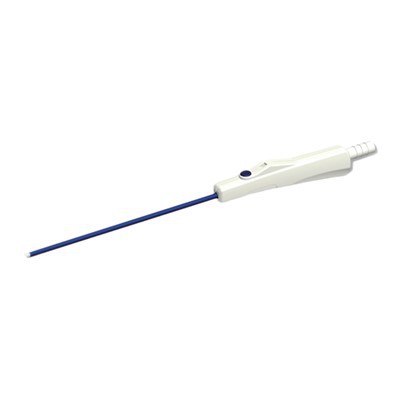
Let’s start with the core function, because at its heart, a suction coagulator does two non-negotiable things: it clears surgical field debris, and it cauterizes tissue to stop bleeding. But not all units balance these two tasks equally, and that’s where a lot of first-time buyers go wrong. A unit that has way too much suction power might yank delicate tissue along with blood and debris, damaging the area a surgeon is trying to operate on. On the flip side, a unit with weak suction will clog constantly—especially when working in areas with a lot of fatty tissue, like abdominal or cosmetic surgery, where small oil globules get stuck in the line every few minutes.
This balance is measured in two key specs: maximum suction pressure and coagulation power. For most general surgical procedures, I recommend units with a suction pressure range of 0 to -600 mmHg. That range is adjustable, so surgeons can dial it down for delicate work (like neurosurgery, where even a tiny tug on a nerve can cause permanent damage) and turn it up for heavy debris clearance (like orthopedic procedures, where bone fragments and blood clots are common). For coagulation power, look for units that offer both “cut” and “coag” modes—most good models do, but the quality of these modes varies. A low-quality coagulator might leave a ragged edge when cutting tissue, forcing surgeons to use extra tools to tidy up, while a high-quality unit delivers a clean, controlled cut with minimal thermal spread (the area of tissue damaged by the heat from the coagulation). Thermal spread is a big deal: if it’s too wide, it can damage healthy tissue, leading to longer recovery times for patients. I always tell buyers to ask for a demo of the coagulation modes—any reputable supplier will let you test this with a tissue sample, so you can see for yourself how clean the cut is.
Next, think about the practical side of using the unit, because even the most high-tech specs mean nothing if the unit is a hassle to use. First, there’s the size and portability. Hospitals with fixed OR suites might not need a super portable unit, but for ambulatory surgical centers (ASCs), which often move units between rooms, or for clinics that do minor procedures like mole removals or skin biopsies, a bulky, heavy unit is a nightmare. I once had a customer at a small ASC who bought a large, floor-standing suction coagulator because it was cheaper, but they had to hire two staff members to move it from the prep room to the procedure room every morning, and it took up so much space that they could only have one procedure room open at a time. A tabletop model, which weighs half as much and takes up a quarter of the space, would have been a far better fit for them. Even for large hospitals, consider whether you’ll need to move the unit for emergency procedures or between different types of surgeries—portability isn’t just an ASC issue.
Then there’s the control panel. In the chaos of an OR, nurses and surgical techs need to adjust suction and coagulation power quickly, without fumbling with tiny buttons in the dark. I’ve used units with touchscreens that require two hands to adjust settings, and during a busy trauma surgery, that’s a recipe for disaster—surgeons yell for more suction, and the tech is still navigating a menu instead of turning a dial. Look for units with large, tactile controls: knobs that click into place at different power levels, or large, backlit buttons that you can press with a gloved hand (thin surgical gloves can make tiny buttons impossible to press). Some newer models have foot pedals, which is a huge plus because it lets the surgeon adjust suction without taking their hands off the patient. If you go the pedal route, make sure the pedal is non-slip and easy to clean—OR floors are often wet, and a slippery pedal can lead to accidental changes in power.
One of the most overlooked features of suction coagulators is the anti-clog technology, and this is where many budget units cut corners. Clogged suction lines don’t just slow down procedures—they can force a surgeon to pause mid-operation, which increases the risk of infection and prolongs anesthesia time, both of which are bad for patients and bad for hospital efficiency. The best anti-clog systems have a few components: a disposable filter that catches debris before it reaches the unit’s internal pump, a flush function that lets you send a burst of saline or air through the line to clear small clogs, and a pump that has enough power to pull through thicker fluids (like blood clots or fatty tissue) without losing suction. I’ve tested units that don’t have a flush function, and during a laparoscopic surgery where there was a lot of fatty debris, the line clogged every seven minutes. The surgical team had to stop, change the line, and wait for the field to clear—adding 20 minutes to the procedure. A unit with a built-in flush would have let the tech clear the line in 10 seconds, no downtime needed. Also, make sure the filter is easy to replace, because if it’s hard to get to, staff will skip changing it regularly, leading to more clogs.
Don’t sleep on maintenance and support, either. A suction coagulator is a piece of medical equipment, which means it will need servicing, repairs, and regular calibration to keep working correctly. When you’re choosing a unit, ask the supplier about the warranty: how long is it, what does it cover, and is there an option for an extended warranty for parts and labor. Then, ask about local support. If a unit breaks in a rural hospital, waiting three days for a technician to drive in is not acceptable—procedures will be delayed, and the hospital might have to rent a temporary unit at a high cost. For my customers, I make sure to connect them with service technicians who are located within 50 miles of their facility, and I offer 24/7 phone support for urgent issues. Some budget suppliers sell units with only a 30-day warranty and no local support, and I’ve seen customers end up paying twice the cost of the unit in emergency repair fees within a year.
Another important factor is compliance with medical standards. All suction coagulators sold in the U.S. need to be cleared by the FDA, and in other countries, they need to meet CE marking (for the EU) or ISO 13485 standards. Don’t buy a unit that doesn’t have these clearances—even if it’s cheaper, it’s not legal to use in most healthcare settings, and it puts you at risk for regulatory penalties. Also, look for units that are designed to be compatible with other surgical tools. For example, some electrosurgical devices work best with specific suction coagulators, because the coagulation power is tuned to work with their output. If your hospital already has a line of electrosurgical tools, check if the suction coagulator you’re considering is compatible with them—this will make training staff easier and reduce the risk of errors during procedures.
Training is a part of this, too. Even the best unit is useless if the staff using it doesn’t know how to operate it correctly. When I work with a new customer, I don’t just deliver the unit and leave— I send a trainer to teach the surgeons and techs how to adjust the suction and coagulation modes, change the filters, clear clogs, and troubleshoot common issues like low power or a clogged line. A lot of suppliers don’t offer on-site training, so make sure to ask about this when you’re comparing models. Some will provide a video tutorial, but hands-on training is way more effective, especially for staff who are new to using suction coagulators.
I also can’t mention how important consumables are, though this is something buyers often forget when comparing upfront costs. Most suction coagulators require specific suction lines, filters, and electrodes for coagulation. If those consumables are expensive or hard to find, that adds to the total cost of owning the unit. For example, one unit I tested uses a disposable line that costs $15 each, and you need one per procedure. Another unit uses a line that costs $5, and it’s available at every medical supply distributor in the country. Over a year, that’s a difference of thousands of dollars. I always advise buyers to calculate the annual cost of consumables, not just the upfront cost of the unit. It might be tempting to go for the cheapest unit, but if its consumables are expensive, it will end up costing you more in the long run.
Let’s also talk about user feedback. Before I started selling suction coagulators, I worked as an OR tech, and I heard the same complaints over and over: “this unit is too loud,” “it vibrates so much it’s distracting,” “the suction cuts out when I need it most.” Those small annoyances add up to staff burnout, which can lead to mistakes. A unit that’s quiet and has minimal vibration makes the OR a more comfortable, less stressful environment. When you’re testing a unit, pay attention to how loud it is when it’s running at full suction, and how much it vibrates when you adjust the power. If it’s so loud that it’s hard to hear the surgeon or other staff talking, that’s a problem.
At the end of the day, choosing a suction coagulator isn’t about picking the most expensive unit or the one with the most fancy features. It’s about picking a unit that fits your specific needs: the types of procedures you perform, the space you have in your ORs, the size of your staff, and your budget for maintenance and consumables. I’ve seen hospitals waste tens of thousands of dollars on units that look good on paper but don’t work for their actual workflow. For example, a large academic medical center that does a lot of cardiac surgery needs a unit with extra-high suction power and durable parts, because those procedures can run for hours and generate a lot of debris. A small clinic that does dermatology procedures needs a small, portable unit with precise coagulation modes for delicate skin tissue.
If you’re in the market for a suction coagulator, don’t rush the decision. Take the time to demo units, talk to other facilities that use the models you’re considering, ask about support and maintenance, and calculate the total cost of ownership, not just the upfront price. I’ve been doing this long enough that I can tell you which models hold up after 5 years of daily use, which ones have the best local support, and which ones will leave your staff frustrated by the end of the week. If you’d like to walk through your specific needs and find a unit that fits your facility, feel free to reach out for a consultation to discuss procurement and suitability.
When you invest in the right suction coagulator, you’re not just buying a piece of equipment—you’re investing in safer procedures, less downtime for your OR, and a team that has the tools they need to do their best work. The small details matter: the tactile control knob, the built-in flush function, the local service support, the affordable filters. Those are the things that turn a good unit into a great one, and that’s what I help my customers find every day.
Hemoclip References:
- Organization for Economic Co-operation and Development. (2021). Health Resources and Statistics: Surgical Procedure Trends.
- American Society of Anesthesiologists. (2022). Guidelines for OR Equipment Maintenance and Safety.
- International Organization for Standardization. (2019). ISO 13485: Medical Devices Quality Management Systems.
- Surgical Technology International. (2020). Suction Coagulation: Balancing Debris Clearance and Tissue Preservation.
- U.S. Food and Drug Administration. (2023). Medical Device Clearance Requirements for Surgical Electrosurgical Units.
Hangzhou Benzgum Medical Technology Co., Ltd.
Hangzhou Benzgum Medical Technology Co., Ltd. is one of the most professional suction coagulators manufacturers and suppliers in China, featured by quality products and good service. Please rest assured to wholesale custom made suction coagulators from our factory. Contact us for OEM&ODM service.
Address: Room 708, 7th Floor, Building 4, Haichuang Technology Center, No. 1288 Wenyi West Road, Yuhang District, Hangzhou City
E-mail: yang@surgicasupply.com
WebSite: https://www.surgicasupply.com/
