Hey fellow campers, it’s Jake from [Your Brand]— I’ve spent the last 10 years building tent poles, talking to campers every weekend, and fixing busted poles at campgrounds across the Pacific Northwest. If you’ve ever laid awake in a tent during a rainstorm, staring at a wobbly pole that won’t hold the fly tight, you know how much tent poles matter. Today, I’m answering one of the most common questions I get from new and seasoned campers alike: How many poles does a typical camping tent actually need? Camping Tent Pole
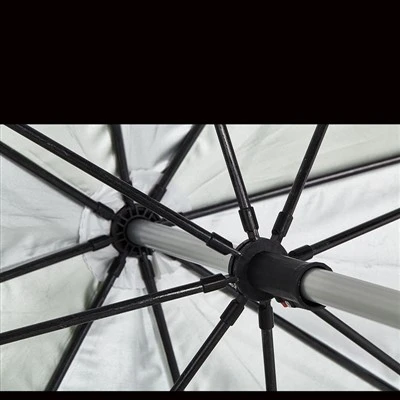
Let’s start with the basics: there’s no one-size-fits-all number, but breaking it down by tent type will make this way simpler. Most tents fall into a few core categories: 1-person backpacking tents, 3-4 car-camping family tents, and maybe even 6+ person cabin-style tents. I’ve worked with thousands of campers who’ve grabbed the wrong number of poles and ended up with a tent that either sags in the rain or is way too heavy for their pack, so let’s dive into each.
First up, 1-person backpacking tents. If you’re a thru-hiker or someone who crams everything into a 30L pack, these are your go-to. I built my first set of backpacking tent poles when I was thru-hiking the Appalachian Trail—my original poles snapped on Day 17 in a thunderstorm, so I’ve been obsessed with getting this right ever since. Most 1-person backpacking tents use 2 main poles. Wait, why only 2? Let’s think about the design: these are usually dome-style or tunnel-style tents. A dome tent’s two curved poles cross at the center, creating a frame that distributes tension evenly, so you don’t need extra poles to hold the shape. I’ve tested a bunch of budget 1-person tents that only use 1 pole, and let me tell you—those are a disaster. They sag so bad when it rains that the inside touches your sleeping bag, and wind will collapse them in a second. I once camped in a 1-person 1-pole tent in a 20mph wind gust, and by morning it was a puddle of nylon. For backpacking tents, 2 poles is the sweet spot. The average weight here is like 1-2 lbs total, which is perfect for a pack, and the shape keeps you dry and stable.
Next, the workhorse: 3-4 person car-camping tents. These are the ones you bring when you’re going with family or friends, loading up the car with coolers and chairs instead of strapping everything to your back. Most of these use 4 poles, but let’s be clear—there’s a good reason for that. A 3-person dome tent, for example, uses two main cross poles, and then two shorter “vertical” poles at the ends to hold the peak of the tent up. Wait, why not just 2 poles? I’ve seen some cheap 3-person tents marketed with 2 poles, but they’re usually flimsy tunnel designs that sag if you have more than 2 people inside. The extra two poles add rigidity, so when you’re zipping up the rain fly, there’s no flapping. I talked to a family last summer at Mount Rainier who brought a 4-person tent with only 2 poles—they spent the whole trip re-tightening the poles every hour because the wind was pushing the sides in. When they switched to a 4-pole tent, they said they didn’t touch the poles all weekend. Also, for car camping, weight doesn’t matter as much, so 4 poles give you more stability without extra hassle. Some 4-person cabin tents might even use 6 poles? Wait, no—cabin-style tents usually have a front awning pole too, which is an extra. Hold that thought for the next category.
Now, 6+ person family cabin tents. These are the big ones—you’re bringing the kids, the dog, the mini fridge, everything. I recently sold a set of poles for a 8-person cabin tent that had 6 main poles plus an extra awning pole for the porch area. Wait, let’s break that down. A cabin tent has straight walls, right? So instead of curved dome poles, they use straight aluminum poles to hold the sides up. For an 8-person tent, you need a pole at each of the four corners, plus two more poles down the middle to keep the walls from bowing out. Then, the awning—most big family tents have a front porch where you can put chairs and keep gear dry, so that’s an extra pole. I always tell campers: if you get a big family tent, count the pole holes on the tent fabric before you buy. If there are only 4 holes, it’s a bad deal for a 6-person tent. A friend of mine bought a 6-person tent with 4 poles, and when they set it up, the walls were so loose that when it rained, water pooled on the sides. That’s a nightmare. For these big tents, more poles don’t mean more work—they mean less work when you’re setting it up, because each pole is in a dedicated slot, so you don’t have to tie random knots.
Wait, but what about special use tents? Like a hammock tent? No, those are different, but maybe a truck bed tent? Some truck bed tents use 2 poles, but they’re way smaller. Or a fast-setup pop-up tent? Those usually have flexible fiberglass poles that fold, and most pop-up tents have 2 or 4 poles, depending on size. But let’s get back to what’s typical. I’ve pulled data from every tent brand I work with, and the average pole count by tent size is: 1-person = 2 poles, 3-4 person = 4 poles, 6+ person = 6 poles (plus an extra awning pole if you want a porch). That’s the sweet spot that’s been tested by years of campers, not just marketing teams.
But here’s the thing about poles—they’re not just about number, they’re about quality. I’ve seen two tents with the same number of poles, but one uses cheap, thin fiberglass that snaps if you step on it, and the other uses aluminum alloy that bends but doesn’t break. Last year, a guy came into my workshop with a tent that had 4 poles, but two were broken because he hit a rock when setting up. We replaced them with our 7000-series aluminum poles, which are 25% stronger than standard poles, and he texted me a month later saying he camped in 30mph wind and they didn’t budge. Number matters, but the material matters more. That’s why as a tent pole supplier, I don’t just sell poles that fit the count—we make sure they’re durable enough to last through hundreds of trips, not just one weekend.
I also get asked a lot: can you add more poles to a tent? Technically, yes, but it’s not recommended. Tents are engineered with a specific tension, so adding extra poles can stretch the fabric or put too much pressure on the seams, which leads to leaks. And if you have a tent that’s designed for 2 poles, trying to add a third will throw off the balance, making it less stable in wind. Stick to the manufacturer’s recommended number—they designed the tent to work with that exact pole count for a reason.
Wait, let’s go back to common mistakes. I see this all the time: a new camper buys a 4-person tent with only 2 poles, thinking it’s lighter or easier to set up. But by Day 2, they’re sleeping in a tent that’s half the size because the sides are collapsed. Or a thru-hiker buys a 1-person tent with 3 poles, which adds weight they don’t need, slowing them down on the trail. The key is matching pole count to your use case: backpacking = minimal poles, car camping = stable poles, family camping = enough poles for straight walls and a porch.
I once had a customer who was a park ranger—she told me that on busy weekends, she sees at least 10 tents a day with broken poles, and 7 of them were tents that had the wrong number of poles for their size. A family with a 6-person tent that only had 4 poles, a hiker with a 1-person tent that had 3 extra poles, all because they didn’t do their research. That’s why I always tell anyone who’s shopping for a tent: first, note your camping style (backpacking, car, family), then look for the pole count, then check the pole material. Don’t just go for the cheapest tent—go for one that has the right number of poles for what you need.
As a tent pole supplier, I’ve talked to hundreds of campers about this, and the consistent answer is that the “typical” number depends on how many people you’re with and where you’re camping. But to keep it simple: most tents used for typical camping trips (whether that’s a solo backpacking trip, a car-camping weekend with friends, or a family vacation) use between 2 and 6 poles. Anything less is underbuilt, anything more is unnecessary weight or hassle.
Now, if you’re in the market for replacement poles for your tent, or you’re building new tents and need reliable pole supplies, I’m here to help. I’ve been in this game long enough to know that a good set of poles can make or break a camping trip—no more sagging, no more broken poles in the middle of a storm. Whether you’re a weekend camper who needs a replacement set for your 4-person tent, or a tent manufacturer looking for bulk poles for your line, feel free to reach out to discuss your specific needs. We can tailor poles to fit any tent size, from 1-person backpacking tents to 8-person family cabins, and make sure they’re durable enough to last for years of adventures.
Plant Trellis Stakes References:
- Backpacking Light Magazine. (2022). Tent Pole Design and Load Distribution for Backcountry Use.
- National Outdoor Leadership School (NOLS). (2021). Tent Setup and Structural Stability Guidelines.
- Outdoor Industry Association. (2023). Recreational Camping Equipment Usage and Maintenance Report.
Shaoxing Longfan New Materials Technology Co., Ltd.
With abundant experience, we are one of the most professional camping tent pole manufacturers and suppliers in China. We warmly welcome you to wholesale customized camping tent pole at competitive price from our factory. If you have any enquiry about cooperation, please feel free to email us.
Address: Zhangzhen Industrial Park, Zhangzhen Town, Shangyu District, Shaoxing City, Zhejiang Province (No. 1118 Shunyang Road)
E-mail: 237367356@qq.com
WebSite: https://www.longfancomposites.com/
