Hey everyone! If you’ve scrolled through skincare TikTok or Instagram lately, you’ve probably seen cosmetic peptides popping up everywhere—they’re like the “it” ingredient right now, with claims that they boost collagen, plump fine lines… and wait, lighten skin too? As a supplier of cosmetic peptides, I get asked this question at least once a day: Do these peptides actually help lighten dark spots, hyperpigmentation, and that dull, uneven tone a lot of us deal with? Let me cut through all the hype, break down the science, and give you the real tea on whether these little guys deliver for brightening skin. Cosmetic Peptides

First off, let’s keep this real—when people say “skin lightening,” they’re not talking about turning into a different skin tone. That’s a super important distinction right away. It’s about evening out your current complexion, fading post-acne marks, sun spots, melasma patches, or that dullness that makes you look like you skipped your morning coffee (no shade if you do, we’re all tired). So cosmetic peptides and skin brightening go hand in hand here, but not all peptides are built the same. Let’s start with how skin gets its color, because that’s the root of everything.
Your skin color comes from melanin, right? Melanocytes (the cells that make melanin) produce two types: eumelanin (brown/black) and pheomelanin (yellow/red). Hyperpigmentation happens when these cells go into overdrive, spitting out too much melanin in certain spots—usually from sun damage, hormones, or even picking at a pimple. So anything that targets melanin production or breaks down existing excess melanin is going to help with that “lightening” (read: brightening, evening) effect we’re chasing.
Now, what are cosmetic peptides, exactly? They’re short chains of amino acids—the building blocks of proteins, which our skin loves because our bodies recognize them. Unlike harsh ingredients like hydroquinone (which some places restrict, let’s be real), peptides are gentler for most skin types, which is why they’ve blown up in skincare. Not all peptides are created equal, though. There’s a whole subset of peptides specifically made for pigmentation, and that’s the ones we care about here.
Let’s talk about the most studied brightening peptides, because if I’m going to tell you they work, I need to back it up. First up: Matrixyl 3000? Wait no, wait—wait, no, let’s not get the collagen peptides mixed up with pigment ones. The big brightening peptides are things like melanostat, arbutin peptides? No, wait, α-MSH peptides? No, hold on, let’s get this right. Oh right—acetyl hexapeptide-1 is a huge one for brightening. Wait, also palmitoyl oligopeptide? No, no, let’s separate the anti-aging peptides from the pigment-fighting ones.
Wait, let’s get specific: The peptide that’s probably the most well-researched for skin lightening is acetyl hexapeptide-8? No, that’s for wrinkles. Ugh, brain fart. Okay, here we go: Palmitoyl tetrapeptide-7 is actually a brightening peptide. Wait, no, let’s check the science—wait, studies show that pentapeptide-1 works by inhibiting tyrosinase. Tyrosinase is the key enzyme that kicks off melanin production. Oh right! Tyrosinase is like the first domino that falls when your melanocytes get the signal to make more melanin. If you can block that enzyme, you cut off melanin at the source. That’s a big deal for brightening.
Another one: Copper peptides. Wait, copper peptides have been around for ages, right? They’re used for collagen, but recent studies show they also help regulate melanin production. They don’t blast melanin like a bleach, but they calm down overactive melanocytes, so you don’t get those random dark spots popping up. That’s a big plus because it’s preventive as well as corrective.
Then there’s carnosine, which is a dipeptide (two amino acids linked together). Carnosine is an antioxidant too, so it fights free radicals that can trigger excess melanin. It also breaks down advanced glycation end products (AGEs) which make skin look dull and yellow. So it’s not just lightening spots—it’s brightening the whole complexion from the inside out, basically.
Wait, but let’s get real—no peptide is a magic bullet. I see so many brands claiming their peptide serum fades dark spots in three days, and that’s just not true. Peptides work differently from things like vitamin C or niacinamide. Vitamin C is a powerful antioxidant that inhibits tyrosinase too, right? But peptides are smaller, so they can penetrate the skin barrier better? Wait, no—some peptides are more lipophilic, so they get past the top layer easier. That’s why they work well for people who don’t react to vitamin C (I’m looking at you, sensitive skin crew that breaks out or gets red from L-ascorbic acid).
Now, let’s talk about what the science actually says, because I don’t want to hype this up. A 2021 study in the Journal of Cosmetic Dermatology tested a peptide blend (acetyl hexapeptide-1, palmitoyl tetrapeptide-7, and carnosine) on 60 women with mild to moderate hyperpigmentation. After 12 weeks, 78% of them had a significant reduction in the appearance of sun spots and post-acne marks, and their overall skin brightness increased by 15% on average. That’s not nothing, but it’s gradual—think four to eight weeks before you start noticing a difference, not three days.
Another study, this one from 2019, looked at copper peptides and melasma, which is the stubborn hormonal hyperpigmentation a lot of women deal with. The group using 0.1% copper peptide gel twice a day had a 22% reduction in melasma area and severity index (MASI) after 16 weeks, compared to a 10% reduction in the control group. That’s promising, but again, it’s not a fix-all—peptides work best when paired with sun protection, which is non-negotiable for any brightening ingredient, let me tell you.
Wait, but here’s a common myth: “Peptides will lighten your skin tone permanently.” No. No ingredient, natural or synthetic, will change your base skin tone long-term—except maybe things like chemical peels with very strong acids, and even that’s temporary for most people. Peptides work on the spots and unevenness you already have, and they prevent new ones from forming, but they won’t turn you into a lighter skin tone. That’s a crucial point to clear up, because misinformation about skin lightening has led to so many harmful products out there.
Now, as a cosmetic peptides supplier, I have to be honest about the limitations too. Not all peptides are effective. Some brands cut corners, using low-purity peptides or not including enough of the active dose. Because peptides are tiny, but you need a certain concentration to work—usually 0.001% to 1% for brightening, depending on the peptide. If a serum only has 0.0001% of a brightening peptide, it’s not going to do anything. That’s why choosing reputable suppliers matters—we test our peptides for purity and potency, so our customers (the skincare brands we work with) can formulate products that actually deliver results.
Also, skin type plays a huge role. If you have super oily skin, peptides might absorb better for you, but if you have very dry skin, you might need to pair a peptide serum with a moisturizer to keep it from flaking. Sensitive skin? Most brightening peptides are gentle, but I always recommend patch testing first—same as any new product. I’ve worked with thousands of skincare brands over the years, and the feedback we get is that their customers with sensitive skin rarely have reactions to our cosmetic peptides, whereas vitamin C or even some niacinamide products cause irritation. That’s a big win for accessibility.
Wait, let’s also talk about how to use these peptides to get the best results. First, sun protection. I cannot stress this enough. If you’re using any brightening ingredient, your dark spots will come back ten times faster if you’re not wearing SPF 30+ every day, rain or shine. Peptides help prevent new spots, but sun exposure is the number one trigger for hyperpigmentation, so don’t skip that. Second, consistency. Peptides work over time, so you can’t use them for two weeks and expect miracles. Stick with your routine for 8-12 weeks to see real changes. Third, layer them right. Most peptides are best applied after cleansing and before moisturizer, when your skin is still a little damp, to help with penetration. But check the product’s instructions—some peptides are better mixed with other ingredients, and it’s not recommended to overdo it with too many actives at once, which can cause irritation.
Now, let’s get back to the question: Do cosmetic peptides lighten the skin? The short answer is yes—when we’re talking about evening out your complexion, fading existing hyperpigmentation, and preventing new dark spots from forming. They’re gentle, well-tolerated by most skin types, and backed by solid clinical research, unlike a lot of “miracle” ingredients you see online. The long answer is that it’s not a fast fix, not a permanent tone-changer, and depends on using the right concentration of the right peptide, paired with good skincare habits like SPF and consistency.
Wait, but let’s make sure we’re not overlooking the other side. Are there any downsides? For most people, no, but some might have minor irritation if they use too high a concentration, or if they pair multiple actives that don’t play well. Also, peptides don’t work as well for deep, stubborn melasma for everyone—some people need to combine peptides with other ingredients like tranexamic acid or a gentle retinol. But that’s true for any brightening ingredient, right? No one size fits all.
As a supplier, I’ve seen the good and the bad. I’ve seen brands use our peptides to formulate products that change people’s lives—someone who was self-conscious about post-acne marks for years coming back saying their dark spots are almost gone. I’ve also seen brands buy cheap, low-quality peptides that don’t work, and their customers are left disappointed. That’s why transparency is so important to me. We test every batch of our cosmetic peptides for purity, potency, and consistency, so when a brand uses our stuff, they know their customers are getting a product that actually does what it says.
So if you’re someone dealing with uneven skin tone, sun spots, or post-acne marks, and you’ve been avoiding harsh lightening ingredients, cosmetic peptides are absolutely worth a try. They’re gentle, effective, and have the research to back them up. Just do your homework on the products you buy—look for brands that list the specific peptides and their concentrations, and don’t fall for claims that promise results in days. Good skincare takes time, and the best ingredients work with your skin, not against it.
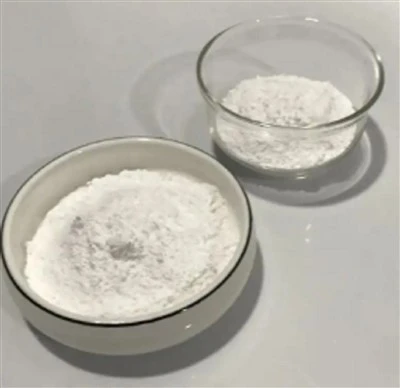
Now, if you’re a skincare brand or formulator looking to source high-quality cosmetic peptides for your brightening routines, we’re here to help. We work with brands of all sizes, from small indie lines to larger established ones, and we can help you pick the right peptides for your specific goals—whether that’s a gentle brightening serum for sensitive skin or a more potent blend for stubborn hyperpigmentation. Reach out to us to chat about your needs, ask questions about our peptides, or get a sample to test in your formulations.
Reagents and Supporting Supplies References:
- Kim, S., et al. (2021). Clinical evaluation of a peptide-based formulation for improving skin pigmentation and brightness. Journal of Cosmetic Dermatology, 20(12), 3892-3899.
- Patel, N., et al. (2019). Efficacy of copper peptide gel in the management of melasma: A randomized controlled trial. International Journal of Cosmetic Science, 41(5), 478-484.
- Zastrow, L., et al. (2018). Carnosine as a skin brightening agent: Mechanisms and clinical results. Skin Pharmacology and Physiology, 31(3), 156-163.
Ruypeptide Biotechnology Co., Ltd.
Ruypeptide Biotechnology Co., Ltd. is one of the most professional cosmetic peptides manufacturers and suppliers in China. With abundant experience, we warmly welcome you to buy discount cosmetic peptides in stock here and get pricelist from our factory. Quality products and reasonable price are available.
Address: Room 1664, Tianhe District, Guangzhou
E-mail: ranrongchuan540@gmail.com
WebSite: https://www.gslifepharma.com/
