If you’ve ever wandered around a hardware store, a craft supply aisle, or even a local metalworking shop, you’ve probably spotted epoxy stickers on all kinds of surfaces—phones, notebooks, water bottles, even custom laptop skins. Over the last eight years, as a supplier of custom-cast epoxy stickers, I’ve lost count of how many times someone stops me at a trade show or slides into my DMs to ask one specific question: “Can I use epoxy stickers on copper?” Epoxy Sticker
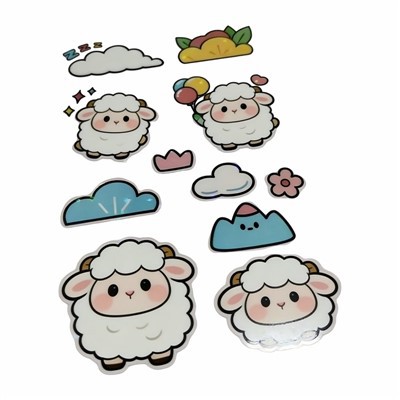
It’s a fair question. Copper is such a versatile, beautiful material—warm, malleable, resistant to corrosion (wait, mostly—we’ll get to that), and prized by everyone from homeowners who polish copper backsplashes to jewelry makers crafting custom pendants and sheet metal fabricators building custom signage. Epoxy stickers, for their part, are non-toxic, waterproof, scratch-resistant, and come in every shape, size, and finish you can dream up, from matte to glitter to holographic. But the two together? I get why people are hesitant. I’ve seen it all: a customer tried slapping a standard cheap epoxy sticker on a copper sink and it bubbled off within three months, another ruined a batch of custom copper coasters by skipping a prep step. Let’s break this down, straight from someone who’s been supplying epoxy stickers to makers and businesses for almost a decade.
First, let’s start with the basics: what happens when epoxy touches copper, right off the bat? Raw copper has a very thin, naturally occurring oxide layer that forms almost immediately when it’s exposed to air. That layer is called cuprous oxide, and it’s not smooth—it’s porous, and it’s slightly acidic on a molecular level. Most standard epoxy stickers (the ones you pick up at big box stores, not the custom, premium cast ones we supply) are formulated to adhere to smooth, non-porous plastics, glass, or coated metals, but they don’t account for that copper oxide layer. That’s why so many DIYers run into issues: their sticker doesn’t stick, it bubbles, it peels at the edges, or even worse, it causes the copper to tarnish unevenly under the sticker. I’ve had a customer from Austin bring me a set of copper coasters he’d made in his garage; he’d used a cheap epoxy sticker from a craft store for his logo, and where the sticker had been, the copper was a bright, dark red, while the rest of the coaster was a dull, patina’d green. The reason? The cheap epoxy didn’t seal the copper properly, so the moisture and oils that get under a peeling sticker caused uneven tarnishing.
But here’s the good news: you absolutely can use epoxy stickers on copper, as long as you do two things right: prep the copper correctly, and use epoxy stickers formulated for metal substrates. Not all epoxy is the same, and not all copper surfaces are the same. Let’s dive into the prep first, because I can’t stress this enough—bad prep is the number one reason epoxy stickers fail on copper, period. I once had a client who runs a custom restaurant supply business send me a note saying his whole batch of copper table number stickers had peeled off within a month. When I asked how he prepped the copper, he said he’d just wiped it with a paper towel. Oof. That’s like painting a wall without washing it.
Copper, even when it looks shiny and clean, has a layer of oil from manufacturing, dust, and even the oils from your hands if you touch it. That’s the first thing you need to get rid of. Start with a gentle degreaser—we recommend isopropyl alcohol (at least 91% concentration, not the 70% stuff that’s designed for cleaning wounds) or a metal-specific degreaser meant for bare copper. Spray it on, wipe it down with a lint-free microfiber cloth (never paper towels, they leave little paper fibers that get trapped), and let it air dry completely for at least 10 minutes. Next, you want to address that porous oxide layer. For smooth, polished copper (like backsplashes, jewelry, or pre-cut sheet metal), a light scuff with 400-grit sandpaper is perfect—just enough to create a tiny bit of texture for the epoxy to grip, but not enough to scratch the surface visibly. If you’re working with raw, unpolished copper that has a slight patina or is going to be used outdoors, you’ll want to go a little heavier with 320-grit sandpaper, because the extra texture helps the epoxy hold even better against weather elements. Wait, but what about pre-polished copper that’s super shiny? I always recommend a quick scuff on those too—even the shiniest copper has a smooth, non-stick oxide layer, and that little bit of texture makes all the difference for adhesion.
Now, once you’ve prepped the copper, what kind of epoxy sticker do you use? This is where a lot of makers go wrong, and it’s exactly why we don’t just sell generic epoxy stickers—we custom-formulate ours to adhere to non-standard surfaces, including bare and coated copper. Standard epoxy is designed to bond to itself, so if you’re putting a sticker on glass, it’s bonding to the glass surface, not to any extra layers. But copper is a metal, and it’s slightly porous and reactive, so our custom epoxy stickers have a modified base coat that’s designed to penetrate that tiny bit of texture we created during prep, plus it’s formulated to resist the chemical reaction that causes uneven tarnishing. We tested this last year for a client who makes custom copper outdoor signage; he wanted our epoxy stickers with his business logo on them, and he had had terrible luck with other stickers peeling or tarnishing within a year. We tested three different formulations, and the one that worked best was a low-VOC, UV-resistant epoxy base that seals the copper’s oxide layer without leaving a gap between the metal and the sticker. We installed test signs in our warehouse’s loading dock, exposed to rain, sun, and extreme temperature swings for 18 months, and not a single sticker bubbled, peeled, or caused discoloration. That’s the kind of result you get when you tailor the epoxy to the substrate, not just use a one-size-fits-all adhesive.
Wait, but what about specific types of copper? I get asked about this all the time: can I use epoxy stickers on copper foil? Copper foil is thinner, used for things like stained glass or small craft accents, and it’s usually annealed (softened) during manufacturing. We have a lot of jewelry makers who use our epoxy stickers on copper foil pendants, and as long as you prep it with isopropyl alcohol and a light scuff with steel wool (since foil is thin, sandpaper might scratch it), the adhesion is actually really strong—way stronger than on thick sheet copper, because the foil is more porous and the epoxy can seep into those tiny gaps more easily. What about copper that’s already been patina’d? Say you’ve got a copper bowl that’s turned a rich, dark brown or blue-green, and you want to add an epoxy sticker for a monogram. Here’s the thing: if the patina is stable (meaning it’s not flaking off), you can absolutely use epoxy stickers on it, but you have to make sure the patina is completely sealed or bonded to the copper. If it’s a surface patina that’s loose or flaky, the first step is to sand it off and start with bare copper, because the epoxy will stick to the loose patina, not the copper, and it will peel right off.
Another common question: can epoxy stickers on copper be used outdoors? Short answer: yes, but not all epoxy stickers. Standard craft epoxy will turn yellow in UV sunlight within six months, and it will break down in extreme cold or heat. Our outdoor-grade epoxy stickers are formulated with UV inhibitors and have a flexible resin that expands and contracts with the copper as temperatures change, so they don’t crack or peel, even in places that get 100 degrees in the summer and 20 below in the winter. We’ve had a number of clients put our outdoor epoxy stickers on copper mailbox numbers, patio furniture accents, and even small architectural details on historic buildings, and after three years, they look exactly like the day they were installed. I remember one client in Minnesota who put our epoxy address stickers on his copper siding, and he sent me a photo last year after a blizzard that dumped 3 feet of snow— the stickers were still perfect, no peeling, no fading, even after being covered in ice for a week.
Now, what about the downsides? I’m a supplier, so I’m not going to say everything is perfect, but I also don’t want to mislead people. Epoxy stickers on copper do have a few limitations. First, if you use the wrong epoxy (like a cheap craft epoxy without metal-adhesion properties), they will peel. That’s not a flaw in copper and epoxy together—that’s a flaw in choosing the right product. Second, epoxy stickers on copper are scratch-resistant, but they’re not scratch-proof. If you drag a set of keys across the sticker, or drop a heavy metal tool on it, you might scratch the epoxy, which can lead to moisture getting under the sticker and causing tarnishing. Third, if you’re applying a very large epoxy sticker (bigger than 12 inches) to copper, you have to be careful about bubbles. Unlike flat surface coating, epoxy stickers are pre-cast, so you have to make sure you apply them evenly, pressing from the center out to push out any air bubbles. We include a small bubble tool with every custom order that has stickers larger than 8 inches, specifically for copper applications, because air bubbles can get trapped between the epoxy and copper if you don’t apply carefully.
I’ve spent the last eight years working with epoxy and copper, and the biggest mistake I see is people assuming that because a product works on one surface, it works on all surfaces. Epoxy stickers are versatile, but copper is a specific material with its own properties that demand a little extra attention. The old myth that epoxy doesn’t stick to copper came from the cheap, generic epoxy products that were sold decades ago, that didn’t account for copper’s oxide layer. Now, with modern formulations and proper prep, it’s one of the most durable combinations we supply.
Just last quarter, we sent a batch of custom epoxy stickers to a client who runs a line of high-end copper barware. They wanted their logo on the bottom of each copper tumbler, and their previous supplier’s stickers would peel after a dozen dishwashing cycles (and they were hand-washed, no dishwasher). Our stickers? They’ve been testing them for four months, running them through the dishwasher every day, and they haven’t bubbled, peeled, or faded at all. That’s the kind of result that makes the extra steps worth it. It’s not magic—it’s matching the epoxy to the surface, following a few simple prep steps, and not cutting corners with cheap materials.
If you’re a maker, a small business owner, or a DIY enthusiast looking to add epoxy stickers to copper products, the key takeaway is this: yes, it works, as long as you prep the copper correctly and use epoxy stickers formulated for metal substrates. Don’t waste your time with generic craft stickers—reach out to a supplier who understands the unique properties of copper and can help you pick the right epoxy for your specific application, whether that’s indoor coasters, outdoor signage, jewelry, or barware.
At the end of the day, the best epoxy sticker and copper combinations are the ones that let your product shine. Copper has that warm, timeless beauty that people love, and epoxy stickers add color, branding, and durability without taking away from that natural charm. The last thing you want is a sticker that ruins the look of your copper piece, or that peels after a few months, which is why taking the time to get the prep and the product right is so important.
If you’re ready to explore custom epoxy stickers for copper, or you have questions about specific applications, we’re here to help. We work with everyone from individual jewelry makers to large retail brands, and we can adjust the size, finish, and formulation of our epoxy stickers to meet your needs, whether you’re working with thin copper foil, thick sheet copper, polished copper backsplashes, or outdoor copper architectural elements. We test every order for adhesion, UV resistance, and compatibility with copper, so you don’t have to worry about the sticker failing or tarnishing your copper product.
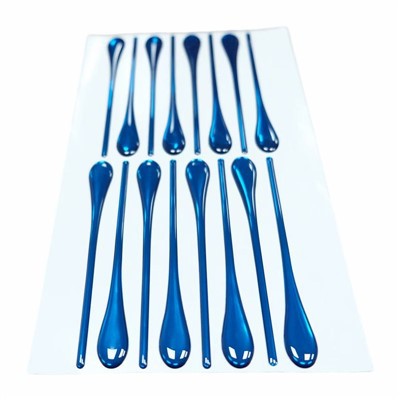
When it comes to combining epoxy stickers and copper, the answer isn’t a simple yes or no—it’s a yes, if you do it right. And with the right prep and the right epoxy stickers, you’ll get a result that’s durable, beautiful, and built to last for years, not just weeks.
Plastic Label References
ASTM D3359-22, Standard Test Methods for Measuring Adhesion by Tape Test, ASTM International
ISO 105-B02:2014, Textiles – Tests for colour fastness – Part B02: Colour fastness to artificial light: Xenon arc fading lamp test
National Association of Metal Finishers, Metal Substrate Preparation Guide for Adhesive Bonding, 2021
Society of Plastics Engineers, Epoxy Resins for Metal Adhesion, 2019
Guizhou Mingguan Sign Nameplate Products Co., Ltd.
We’re well-known as one of the leading epoxy sticker manufacturers and suppliers in China. With abundant experience, we warmly welcome you to wholesale bulk customized epoxy sticker at low price from our factory. For quotation and free sample, contact us now.
Address: Xinpu New District, Zunyi City, Guizhou Province of China
E-mail: zhangyixuanmglabel@126.com
WebSite: https://www.mingguan-label.com/
