Hey there, folks! I’m a supplier in the Children Park Solutions business, and today I’m stoked to dig into how we can design an awesome children’s park in a coastal area. It’s a unique challenge but also an amazing opportunity to create a one – of – a – kind experience for the little ones. Children Park Solutions
Why a Coastal Children’s Park?
First off, let’s talk about why going for a coastal park is such a great idea. Coastal areas are naturally beautiful. The sound of the waves, the smell of the saltwater, and the sight of the endless ocean can create a magical backdrop for a children’s park. It’s like nature’s own theme park!
Kids love the beach, and a well – designed coastal children’s park can combine the fun of the beach with the safety and structure of a traditional park. It can also be an educational space. Children can learn about marine life, coastal ecosystems, and even basic geography just by being in this park.
Understanding the Coastal Environment
Before we start sketching out slides and swings, we’ve got to understand the coastal environment. The first thing is the weather. Coastal areas can have some wild weather. There might be strong winds, heavy rains, and even the occasional hurricane. So, we’ve got to build structures that can withstand these conditions.
We also need to think about the tide. High and low tides can change the landscape completely. We don’t want our play equipment to get flooded during high tide, right? We’ve got to place everything at a safe distance from the water and at an elevation that keeps it dry.
And let’s not forget about the saltwater and sand. Saltwater is corrosive, which means it can eat away at metal over time. We’ll need to use materials that are resistant to saltwater corrosion, like stainless steel or treated wood. Sand can get everywhere too, so we need to design the park in a way that minimizes the amount of sand getting into the play areas.
Designing the Layout
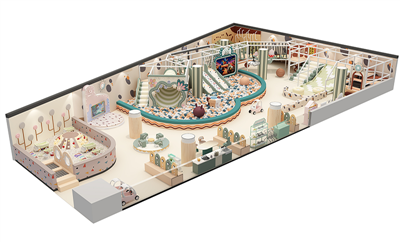
Now, onto the fun part – designing the layout! We should divide the park into different zones to keep things organized.
- The Beach Zone: This is the area closest to the water. Here, we can have things like sandcastles building stations, where kids can use buckets and shovels to create their masterpieces. We could also set up some beach volleyball nets for a bit of active fun. But safety is key here. We need to have well – trained lifeguards on duty, and there should be clear signage indicating safe swimming areas.
- The Play Equipment Zone: Away from the water, we can set up the traditional play equipment, like slides, swings, and jungle gyms. The equipment should be spaced out to avoid overcrowding and to give kids enough room to move around. We can also add some unique features that are inspired by the coastal theme. For example, a slide shaped like a whale or a swing that looks like a seashell.
- The Educational Zone: This is where we can teach kids about the coastal environment. We could have a small aquarium with local marine life, or a nature trail with signs explaining the different plants and animals found in the area. It’s a great way to make learning fun.
- The Picnic and Relaxation Zone: Parents and guardians also need a place to chill out while the kids play. We can set up some picnic tables, benches, and maybe even a few shaded areas. This zone can be located in a central area of the park for easy access.
Selecting the Right Equipment
Picking the right equipment is crucial. We’ve already talked about using materials that can withstand the coastal environment, but there’s more to it than that.
The equipment should be suitable for different age groups. For toddlers, we can have gentle slides and small playhouses. Older kids might enjoy more challenging equipment like zip – lines or climbing walls.
We also need to make sure the equipment is safe. There should be soft landing surfaces under the slides and swings to prevent injuries. All the equipment should be regularly inspected and maintained to ensure it’s in good working condition.
Incorporating Sustainability
In today’s world, sustainability is super important. When designing a coastal children’s park, we should do everything we can to be eco – friendly.
We can use solar panels to power some of the park’s features, like lights and pumps for the small water features. We can also install rainwater collection systems to water the plants in the park.
Recycling bins should be placed throughout the park to encourage visitors to recycle. And we can use recycled materials in the construction of the play equipment and other park structures.
Creating a Sense of Community
A great children’s park is not just about the equipment; it’s also about creating a sense of community. We can host events in the park, like beach clean – up days, where kids and their families can come together to help keep the coast clean.
We can also set up a community notice board where parents can share information about local activities, playgroups, and events. This helps to build a strong bond between the park visitors and makes the park a more inviting place.
Safety First
Safety is always our number one priority. As well as the safety measures we’ve already mentioned, like lifeguards and soft landing surfaces, we need to make sure the park is well – lit at night. This is important for both the safety of the kids and the parents.
There should also be clear emergency exits and a first – aid station in the park. Staff should be trained in first – aid and emergency response procedures.
Marketing and Promotion
Once the park is designed and built, we need to get the word out. We can use social media platforms to share pictures and videos of the park. We can also offer special promotions, like free entry on certain days or discounted season passes.
We should reach out to local schools and kindergartens to let them know about the park. Field trips can be a great way to get kids to the park and introduce them to all the fun and educational opportunities it offers.
Conclusion

Designing a children’s park in a coastal area is a challenging but rewarding task. By understanding the coastal environment, creating a well – thought – out layout, selecting the right equipment, incorporating sustainability, building a sense of community, and ensuring safety, we can create a park that kids and their families will love.
Kids Trampoline If you’re interested in turning your coastal area into an amazing children’s park, I’d love to chat with you. Whether you’re a local government, a community group, or a private developer, my team and I have the experience and expertise to bring your vision to life. Reach out to me to start the discussion on how we can make this project a success.
References
- Coastal Engineering Manual, U.S. Army Corps of Engineers
- Playground Safety Handbook, National Program for Playground Safety
- Sustainable Design Guidelines for Public Parks, Green Parks Alliance
Guangzhou Playpedia Amusement Co., Ltd.
Guangzhou Playpedia Amusement Co., Ltd. is one of the leading children play manufacturers and suppliers in China. We warmly welcome you to buy discount children play from our factory. All customized products are with high quality and competitive price.
Address: No. 26, Diyong Village Section, Haiyong Road, Shiji Town, Panyu District, Guangzhou, China
E-mail: sales2@playpedia.cn
WebSite: https://www.playpediapark.com/
