In the dynamic landscape of energy solutions, the comparison between home energy storage and traditional energy sources has become increasingly relevant. As a supplier in the home energy storage arena, I’ve witnessed firsthand the transformative potential of these systems. In this blog, I’ll delve into the critical aspects of this comparison, exploring the advantages, limitations, and real – world implications of each option. Home Energy Storage
Traditional Energy Sources: A Time – Testedbut Limited Paradigm
For generations, traditional energy sources such as coal, natural gas, and nuclear power have been the bread and butter of global energy supply. Coal, with its long history, was once the dominant fuel for electricity generation due to its abundance and relatively low cost of extraction. However, its environmental impact is severe. Coal – fired power plants are major emitters of carbon dioxide (CO₂), sulfur dioxide (SO₂), and particulate matter, contributing to global warming, acid rain, and poor air quality.
Natural gas, on the other hand, is often lauded as a "cleaner" alternative to coal. While it emits fewer pollutants like SO₂ and particulate matter during combustion, it still releases significant amounts of CO₂. Moreover, the extraction process, known as fracking, has raised concerns about water pollution and seismic activity.
Nuclear power offers a high – energy output with relatively low greenhouse gas emissions during operation. But the challenges associated with nuclear waste disposal, the high cost of building and decommissioning nuclear plants, and the potential for catastrophic accidents, as seen in Chernobyl and Fukushima, make it a controversial choice.
One of the most significant limitations of traditional energy sources is their centralized nature. Power is generated at large – scale plants and then transmitted over long distances to consumers. This transmission process results in energy losses, which can be substantial, especially in older and less – efficient grids. Additionally, reliance on a centralized power grid makes consumers vulnerable to power outages caused by natural disasters, equipment failures, or cyber – attacks.
Home Energy Storage: A New Era of Energy Independence
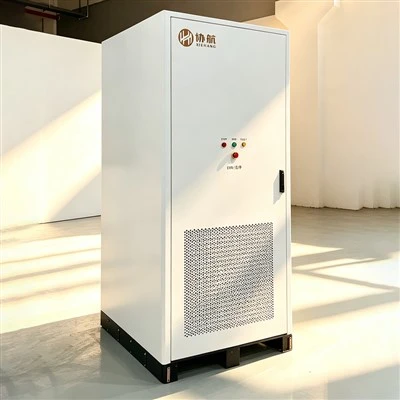
Home energy storage systems, in contrast, offer a decentralized and more sustainable approach to energy consumption. At the heart of these systems are batteries, typically lithium – ion batteries, which can store excess energy generated from renewable sources like solar panels or wind turbines. This stored energy can then be used when the renewable sources are not producing, such as at night or during periods of low wind.
One of the key advantages of home energy storage is energy independence. By having a battery system at home, homeowners can reduce their reliance on the grid and have a reliable source of power during outages. This is particularly important in areas prone to natural disasters, where power outages can last for days or even weeks. For example, in regions prone to hurricanes or wildfires, home energy storage can ensure that essential appliances like refrigerators, medical equipment, and communication devices continue to function.
Another significant benefit is the potential for cost savings. With time – of – use electricity rates, homeowners can charge their batteries during off – peak hours when electricity is cheaper and use the stored energy during peak hours when rates are higher. This not only reduces their electricity bills but also helps to balance the load on the grid.
From an environmental perspective, home energy storage promotes the use of renewable energy. By storing excess renewable energy, these systems address the intermittent nature of sources like solar and wind, making them more reliable and scalable. This in turn reduces the need for fossil – fuel – based power generation, leading to a decrease in greenhouse gas emissions and a more sustainable energy future.
Performance and Efficiency Comparison
When it comes to performance, traditional energy sources have a proven track record of providing a consistent and reliable power supply. Centralized power plants are designed to operate continuously, delivering a large amount of power to meet the demands of millions of consumers. However, the efficiency of these plants varies widely. Coal – fired power plants, for instance, typically have an efficiency of around 30 – 40%, meaning that a significant portion of the energy in the coal is wasted as heat. Natural gas power plants can be more efficient, with some combined – cycle plants achieving efficiencies of up to 60%.
Home energy storage systems, on the other hand, have different performance metrics. The efficiency of a battery system is mainly determined by its round – trip efficiency, which is the ratio of the energy output to the energy input. Lithium – ion batteries, which are commonly used in home energy storage, typically have a round – trip efficiency of around 85 – 90%. This means that a small amount of energy is lost during the charging and discharging process.
In terms of response time, home energy storage systems have a clear advantage. Batteries can instantly supply power when needed, making them ideal for stabilizing the grid during sudden changes in demand or supply. In contrast, traditional power plants, especially large – scale coal and nuclear plants, require significant time to start up, ramp up, or shut down, which can lead to challenges in responding to rapid changes in the grid.
Cost Analysis
The cost of traditional energy sources can be complex to evaluate. While the upfront cost of building a power plant is high, the long – term cost per kilowatt – hour (kWh) can be relatively low, especially for coal and natural gas. However, the external costs associated with these sources, such as environmental damage and health impacts, are often not fully accounted for in the price of electricity.
Home energy storage systems, on the other hand, have seen a significant decrease in cost in recent years. The cost of lithium – ion batteries, the main component of most home energy storage systems, has dropped by more than 80% since 2010. Despite this decrease, the upfront cost of a home energy storage system can still be relatively high, ranging from a few thousand dollars to tens of thousands of dollars, depending on the capacity and features of the system.
However, when considering the long – term benefits, such as energy cost savings, increased energy independence, and environmental benefits, the return on investment for home energy storage systems can be quite attractive. In addition, government incentives and subsidies in many regions are further reducing the cost of these systems, making them more accessible to homeowners.
Real – World Applications and Case Studies
To illustrate the practical differences between home energy storage and traditional energy sources, let’s look at some real – world examples. In California, where wildfires are a frequent threat, many homeowners are turning to home energy storage systems to ensure power during outages. One homeowner, John, installed a solar panel system with a home energy storage battery. During a recent wildfire – related power outage that lasted for several days, John’s home remained powered, allowing him to keep his refrigerator running and charge his electronic devices.
In contrast, a coal – fired power plant in a different part of the country faced challenges during a severe winter storm. The plant struggled to maintain its output due to freezing temperatures and coal supply disruptions. This led to power shortages and increased electricity prices in the region, highlighting the vulnerability of traditional energy sources to extreme weather events.
The Future of Energy
The future of energy is likely to be a hybrid model, where both traditional energy sources and home energy storage systems play important roles. As the cost of home energy storage continues to decline and the efficiency of renewable energy sources improves, we can expect to see a greater adoption of these systems. This will lead to a more decentralized and resilient energy grid, where homeowners have more control over their energy consumption.
However, traditional energy sources will not disappear overnight. They will continue to provide a reliable base load of power, especially during periods when renewable energy generation is low. In the transition to a more sustainable energy future, it is important to balance the use of these two types of energy sources to ensure a stable and affordable energy supply.
Conclusion and Call to Action
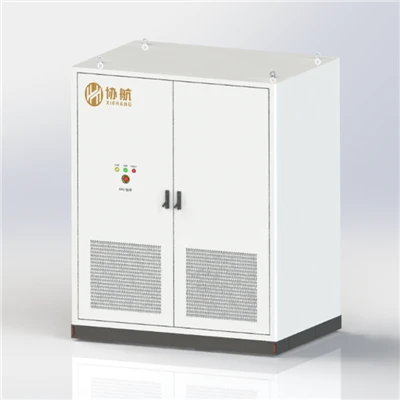
In conclusion, home energy storage offers a range of benefits over traditional energy sources, including energy independence, cost savings, environmental sustainability, and better grid stability. While traditional energy sources still have their place in the energy mix, the trend towards home energy storage is clear.
Portable Power Station If you’re interested in exploring the possibilities of home energy storage for your residence or business, I’d encourage you to contact me for a free consultation. We can discuss your specific energy needs, assess the suitability of a home energy storage system for your location, and provide you with a customized solution. Take the first step towards a more sustainable and energy – independent future.
References
- IPCC (Intergovernmental Panel on Climate Change). Climate Change 2021: The Physical Science Basis. Contribution of Working Group I to the Sixth Assessment Report of the Intergovernmental Panel on Climate Change.
- International Renewable Energy Agency (IRENA). Renewable Power Generation Costs in 2020.
- U.S. Energy Information Administration (EIA). Monthly Energy Review.
- BloombergNEF. Battery Price Index.
Zhejiang Xiehang New Energy Equipment Co., Ltd.
As one of the most professional home energy storage manufacturers and suppliers in China, our products have good reputation in the market. Please erst assured to wholesale custom made home energy storage from our factory. If you have any enquiry about cooperation, please feel free to email us.
Address: No.5 Hechen Road, Zhouwangmiao Town, Haining, Jiaxing City, Zhejiang Province, China
E-mail: dan.wu@xiehang.net
WebSite: https://www.shineonpower.com/
