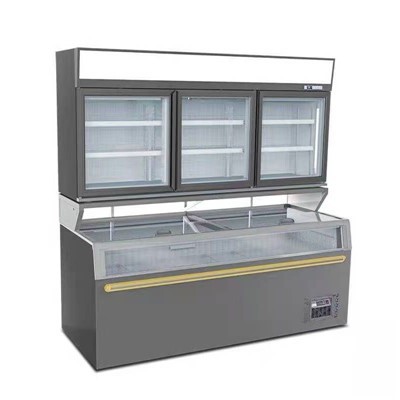
Selecting the right refrigerant for supermarket refrigeration is a critical decision that can significantly impact the efficiency, cost, and environmental footprint of your refrigeration systems. As a supplier in the supermarket refrigeration industry, I’ve witnessed firsthand the importance of making an informed choice. In this blog, I’ll share some key considerations to help you select the most suitable refrigerant for your supermarket. Supermarket Refrigeration
Understanding the Basics of Refrigerants
Refrigerants are substances used in refrigeration systems to absorb and release heat, enabling the cooling process. There are various types of refrigerants available, each with its own unique properties, advantages, and disadvantages. The most common types of refrigerants used in supermarket refrigeration include hydrofluorocarbons (HFCs), hydrochlorofluorocarbons (HCFCs), ammonia (NH3), carbon dioxide (CO2), and hydrocarbons (HCs).
Environmental Impact
One of the primary considerations when selecting a refrigerant is its environmental impact. Many traditional refrigerants, such as HFCs and HCFCs, have high global warming potential (GWP) and ozone depletion potential (ODP). These substances contribute to climate change and the depletion of the ozone layer. As a result, there is a growing trend towards using more environmentally friendly refrigerants with lower GWP and ODP.
- Carbon Dioxide (CO2): CO2 is a natural refrigerant with a very low GWP of 1. It is non-toxic, non-flammable, and readily available. CO2 refrigeration systems are becoming increasingly popular in supermarkets due to their energy efficiency and environmental friendliness. However, CO2 systems operate at high pressures, which require specialized equipment and installation.
- Ammonia (NH3): Ammonia is another natural refrigerant with a GWP of 0. It has excellent thermodynamic properties and is highly efficient. Ammonia is commonly used in large-scale supermarket refrigeration systems. However, ammonia is toxic and flammable, so proper safety measures must be in place when using it.
- Hydrocarbons (HCs): Hydrocarbons, such as propane and isobutane, are natural refrigerants with low GWP. They are highly efficient and have good thermodynamic properties. However, hydrocarbons are flammable, so they must be used with caution.
Energy Efficiency
Energy efficiency is another important factor to consider when selecting a refrigerant. A more energy-efficient refrigerant can help reduce operating costs and lower your carbon footprint. The energy efficiency of a refrigerant depends on its thermodynamic properties, such as its latent heat of vaporization and specific heat capacity.
- Coefficient of Performance (COP): The COP is a measure of the energy efficiency of a refrigeration system. It is defined as the ratio of the cooling effect to the energy input. A higher COP indicates a more energy-efficient system. When selecting a refrigerant, look for one with a high COP.
- Energy Savings: In addition to the COP, consider the potential energy savings of a refrigerant over its lifetime. Some refrigerants may require more energy to operate initially but can result in significant energy savings over time.
Safety
Safety is a top priority when it comes to refrigeration systems. Some refrigerants, such as ammonia and hydrocarbons, are toxic or flammable. When selecting a refrigerant, consider the safety requirements and potential risks associated with its use.
- Toxicity: Some refrigerants, such as ammonia, can be toxic if inhaled. Make sure to follow proper safety procedures and use appropriate protective equipment when handling toxic refrigerants.
- Flammability: Hydrocarbons are flammable refrigerants. They must be used in accordance with safety regulations and installed in a well-ventilated area.
- Safety Standards: Ensure that the refrigerant you choose meets all relevant safety standards and regulations.
System Compatibility
The refrigerant you choose must be compatible with your existing refrigeration system. Different refrigerants have different properties, such as pressure and temperature requirements, which can affect the performance and reliability of your system.
- System Design: Consider the design of your refrigeration system when selecting a refrigerant. Some systems may be designed to work with specific refrigerants, while others may be more flexible.
- Retrofitting: If you are considering retrofitting your existing system to use a different refrigerant, make sure to consult with a qualified refrigeration technician. Retrofitting can be complex and may require modifications to your system.
Cost
Cost is an important consideration when selecting a refrigerant. The cost of a refrigerant includes the purchase price, installation costs, and operating costs.
- Purchase Price: The purchase price of a refrigerant can vary depending on its type and availability. Some refrigerants, such as natural refrigerants, may be more expensive than traditional refrigerants.
- Installation Costs: The installation costs of a refrigerant depend on the type of system and the complexity of the installation. Some refrigerants, such as CO2, may require specialized equipment and installation, which can increase the cost.
- Operating Costs: The operating costs of a refrigerant include energy consumption, maintenance, and replacement costs. A more energy-efficient refrigerant can help reduce operating costs over time.
Regulatory Requirements
Regulatory requirements play a significant role in the selection of refrigerants. Many countries and regions have implemented regulations to phase out the use of high-GWP refrigerants and promote the use of more environmentally friendly alternatives.
- Montreal Protocol: The Montreal Protocol is an international agreement designed to protect the ozone layer by phasing out the production and consumption of ozone-depleting substances, such as HCFCs.
- Kigali Amendment: The Kigali Amendment to the Montreal Protocol aims to phase down the production and consumption of HFCs, which are potent greenhouse gases.
- Local Regulations: In addition to international agreements, many local governments have implemented their own regulations regarding the use of refrigerants. Make sure to check the regulatory requirements in your area before selecting a refrigerant.
Conclusion

Selecting the right refrigerant for supermarket refrigeration is a complex decision that requires careful consideration of various factors, including environmental impact, energy efficiency, safety, system compatibility, cost, and regulatory requirements. As a supermarket refrigeration supplier, I can help you navigate these considerations and choose the most suitable refrigerant for your needs.
Refrigerated Display Case If you’re interested in learning more about refrigerant selection or have any questions about our supermarket refrigeration products and services, please don’t hesitate to contact us. We’re here to help you make the best decision for your business.
References
- ASHRAE Handbook – Refrigeration. American Society of Heating, Refrigerating and Air-Conditioning Engineers.
- International Institute of Refrigeration (IIR). Refrigeration and the Environment.
- U.S. Environmental Protection Agency (EPA). Significant New Alternatives Policy (SNAP) Program.
Jinhua Kate Refrigeration Equipment Co., Ltd.
We are one of the most professional supermarket refrigeration manufacturers in China, also support customized service with low price. Please rest assured to wholesale bulk high quality supermarket refrigeration for sale here from our factory. If you have any enquiry about quotation, please feel free to email us.
Address: Room 101, No. 21, Southwest Sixth Road, Xin’an Village, Xin’an Community, Duohu Subdistrict, Jindong District, Jinhua City, Zhejiang Province
E-mail: 2528940364@qq.com
WebSite: https://www.katekool.com/
